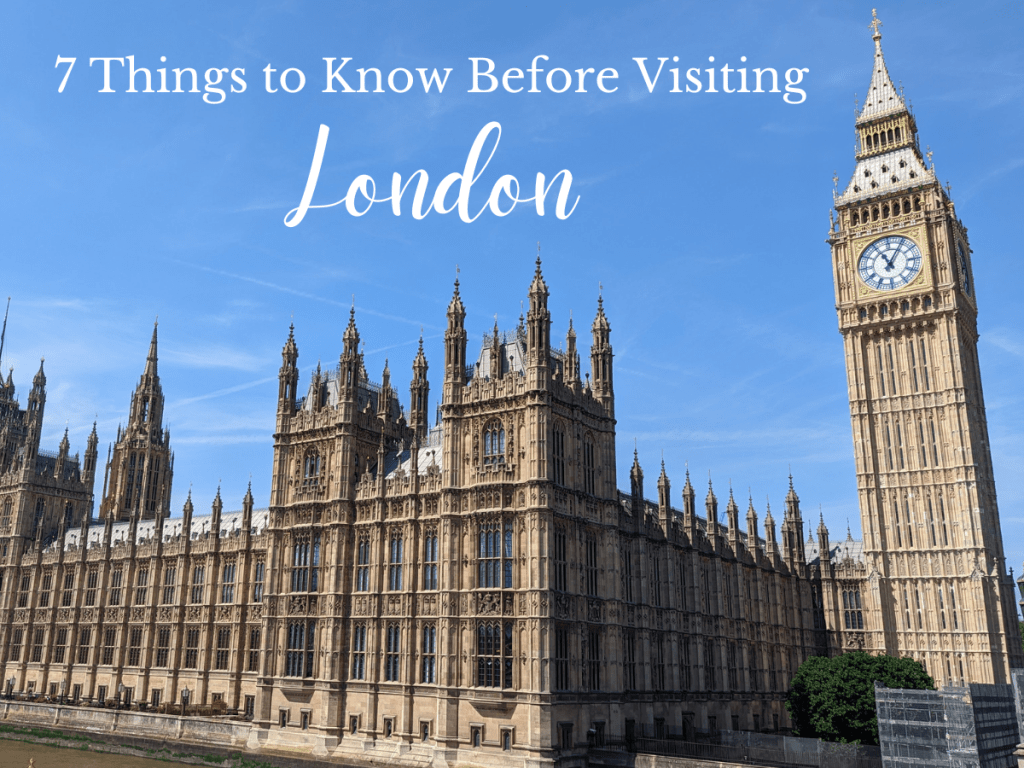
With everything there is to see and do in London, it can be overwhelming to plan your trip to this must-visit city. From figuring out public transit to finding places to go for dining and shopping, there’s a lot to think about. As a young person on a budget, here are some of my tips/things to know before visiting London:
1. Familiarize yourself with the Underground/Tube system

If you’re not familiar with public transit systems, London’s can be a little confusing to navigate. After living in Chicago for 2 years, I even found navigating the Underground/Tube a little confusing at times, especially because London isn’t on a grid system like Chicago is. But, once you understand the system, it’s fairly easy to figure out.
When I was trying to navigate the Tube system, Google Maps was my best friend. Another app called Citymapper is a helpful tool as well. This app will give you transit directions via bus, tube, rail, ferry, tram, and bike, and will also tell you if there are any closures/delays. I was already familiar with Google Maps, so I didn’t bother trying Citymapper, but I heard from other travellers that it was very helpful.
Here are some brief pointers on how to navigate the system:
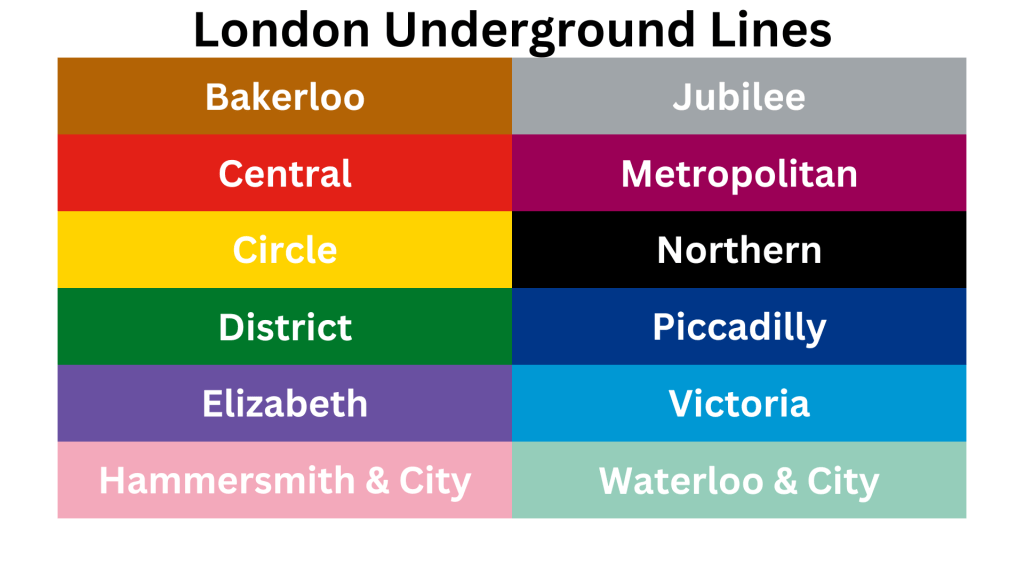
Each train line has a corresponding color (see photo below). The trains I took most often while in the city center were Hammersmith & City and District/Circle.
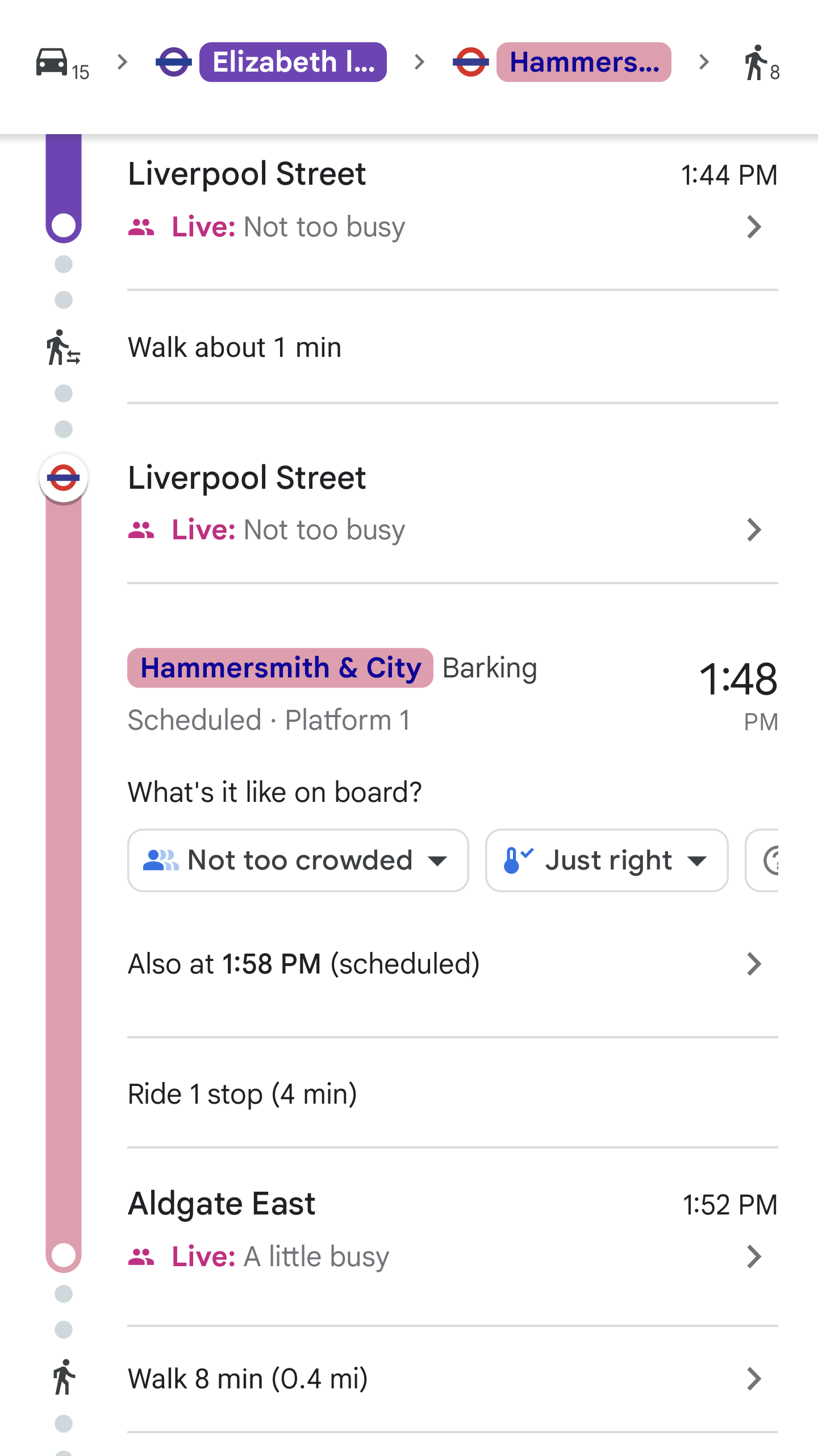
Each line also has a final destination depending on the direction. In the case of the screenshot below, the final destination is Barking. So, to get to Aldgate East from where I was (Liverpool Street), I had to take the Hammersmith & City train heading towards Barking. Google Maps sometimes notes which platform you have to be on, but if you aren’t sure, you can look at the maps in the train station and see which Hammersmith & City train is heading towards Barking.
When in doubt, ask someone who looks like they know what they’re doing, and they’ll do their best to help. I apparently looked like I knew what I was doing and was asked on multiple occasions to point other travellers in the right direction, but I was honestly just as clueless as they were. Regardless, many people understand navigating public transit can be confusing and will be kind enough to help.
2. Get a Visitor Oyster Card
If you’re going to be in London for 4+ days and you plan on using public transit a lot, get an Oyster card. You can buy an Oyster card in most Tube stations.
There are two different types of cards: the regular Oyster card for residents, and the Visitor Oyster card, which is supposed to be a little cheaper for the short-term traveller. Oyster cards have a small initial activation fee, and they have unlimited ride passes you can buy to use for an allotted amount of days. I’d recommend starting with a 7-day travelcard if you’re there for 4+ days.
Otherwise, you can pay for transit using a contactless credit card. However, be aware that paying this way can add up quickly and will cost more than getting a travelcard if you use transit a lot. I paid upwards of 15 pounds a day using a credit card when I could have paid about 50 pounds for a 7-day pass. Don’t make my mistake!
3. Lots of Museums are Free — take advantage of it!

London is an expensive city, but the main museums are all free! You could spend 2-3 days just in the museums alone, so definitely plan time for at least a couple. These museums include the:
- British Museum – home to incredible artifacts from across the globe, including the Rosetta Stone, Crouching Venus, Hoa Hakananai’a (a statue from Easter Island), and sculptures from the Parthenon
- Natural History Museum – famous for the huge whale skeleton hovering over the main lobby, but also houses a vast variety of other incredible specimens like dinosaur skeletons and unique gems/minerals
- National Gallery – located in Trafalgar Square, this museum holds more than 2,000 paintings, including the famed Sunflowers by Van Gogh (a personal favorite), The Fighting Temeraire (you’ll recognize this as the “glowing painting” if you’ve played Animal Crossing New Horizons), and The Ambassadors (oil painting with lots of hidden symbolism)
- Tate Modern – consists of modern and contemporary art, such as works from Jackson Pollack and Andy Warhol
- Tate Britain – in contrast to the National Gallery, the Tate Britain is home to solely British art, dating from 1500 to present day, with its most notable work being Ophelia.
- And so many more

Side note: London also has hundreds of acres of parkland throughout the city, and all parks are free to enter. After visiting Buckingham Palace or witnessing the Changing of the Guard (also free to attend, and takes place every Monday, Wednesday, Friday, and Sunday starting at 10:45 a.m.), take a stroll through the greens of Hyde Park and/or St. James Park.
4. Don’t Give in to Tourist Traps
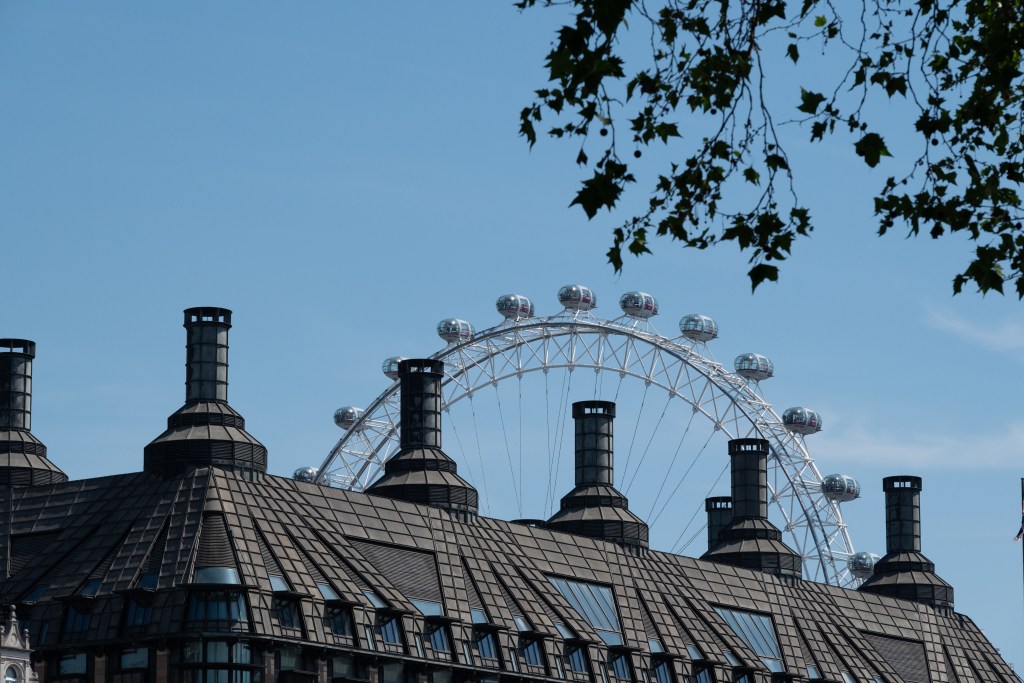
There are many places and “experiences” in London that are over-advertised to visitors as “the thing to do”, but they’re really not worth the time and money. One of the main attractions to avoid is the London Eye. Tickets start at ~$30 (yes, start at), and you wait in a long line for a brief ride. I’ve also heard to avoid Madam Tussauds, Ripley’s Believe it or Not, and the London Dungeon.
Iconic London sites like Westminster Abbey ($30+), Tower of London ($35+), and going up Tower Bridge ($13+) are also pretty expensive for the short amount of time you’d spend in them. You can get great free views of all three from outside, but I understand wanting to see the Crown of Jewels or go inside of Westminster. Just keep in mind that they’re not cheap and are crowded tourist destinations.

I also wouldn’t recommend doing a hop on/hop off Big Bus tour. Instead, you can look up all of the sites you want to see, create a route for yourself, and take public transit to your destinations for much cheaper. For one day, Big Bus tickets start at $40+, while taking public transit would cost you less than $20/day.
If you do want to do some of the more touristy things like Westminster Abbey or the London Eye, be sure to book tickets in advance. This will help reduce your wait times!
5. Districts to Visit

London has 32 boroughs, each with their own smaller, unique districts, so there is a wide variety of areas to visit. Some areas are great for nightlife and dining, while others are perfect for history lovers. Here are the best areas for…:
- Nightlife: Soho
- Theatre: West End
- Dining: Soho, Convent Garden
- Shopping: Oxford Street/West End, Piccadilly Circus, Convent Garden
- History/sightseeing: Westminster (Westminster Abbey, Buckingham Palace, Big Ben), City of London (Tower of London, Tower Bridge, St. Paul’s Cathedral)
- Art/Culture: The South Bank (Shakespeare’s Globe Theatre, Tate Modern, Borough Market)
6. How to Stay Safe – be aware of pickpockets!
No matter where you go in the world, always be aware of your surroundings and keep valuables/money in a safe, secure place. Always keep purses in front of you and wallets in a harder-to-access place than a back pocket. Again, London is a very big city with lots of residents and tourists, making it an excellent place for pickpockets to blend in. Just be mindful.
Also, remember that the UK drives on the left side of the road, so triple check both directions before crossing the street!
7. How Long to Stay in London

If you’re just planning to see things in London proper, I’d recommend staying at least 3 days. You can see a lot of the city in 3 days, however if you want to venture out to surrounding towns/areas like Stonehenge, Bath, etc. for day trips, you’ll want 5-7 days to see everything. I stayed in London for 4 days and took day trips for 2 of those, so didn’t get to explore London as much as I wanted.
That being said, if you want to explore surrounding areas, you can find many half and full day trips from London-based travel companies or on sites like Get Your Guide. I did one that went to Windsor Castle, Stonehenge, and Bath, and another that went to Leeds Castle, Canterbury, Dover, and Greenwich. I originally wanted to just take the train to each of these places, but it was difficult to figure out how to get from each place to the next, so these pre-planned tours were convenient, and I was able to learn a lot from the guides.

London is a truly historic city with a seemingly infinite amount of things to see and do. I greatly enjoyed my time there, and I’m already looking forward to my next visit when I’ll have a better handle on the Tube system and more time to explore the various districts.
 Happy Lil’ Traveller
Leave a comment