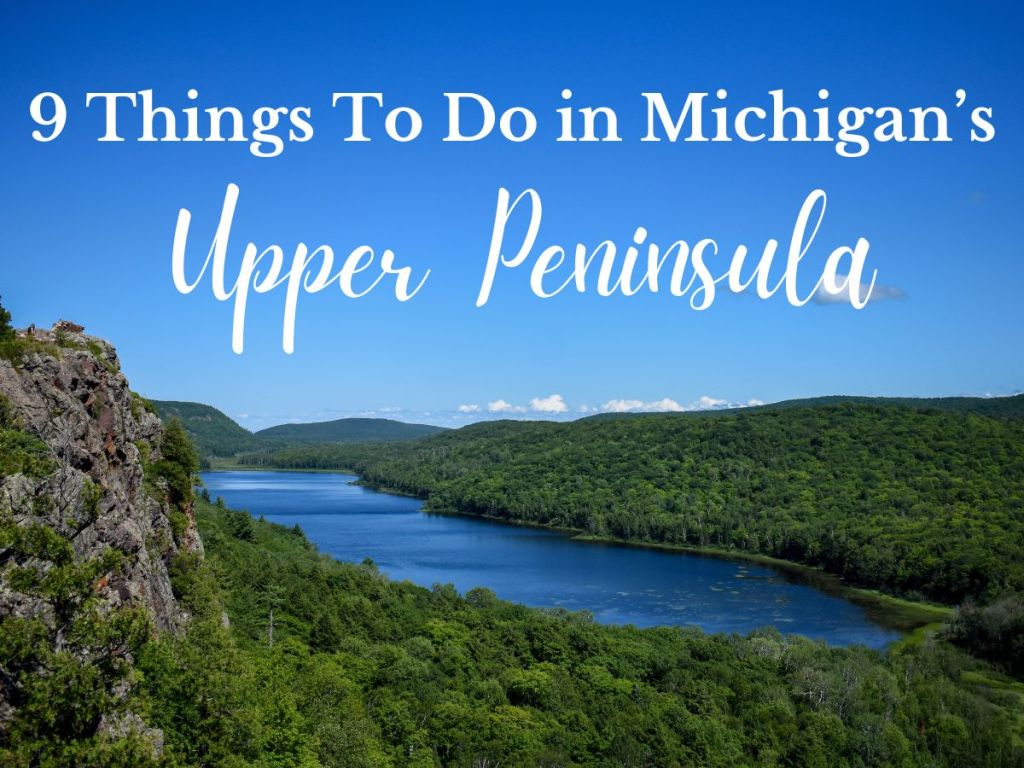
Michigan’s Upper Peninsula (The UP) is full of natural wonders and historical sites. Throughout its woodlands and along its shores are a multitude of hidden gems, ranging from waterfalls and hiking trails to old forts and shipwrecks.
I was very lucky to live only about an hour and a half from the UP growing up. Rather than going on vacations to places like Disney, my parents always took us north, so I was able to experience a lot of what the peninsula has to offer. Here’s a compilation of the best things to see and do in Michigan’s Upper Peninsula:
- Visit Pictured Rocks National Lakeshore
- Explore Munising’s Waterfalls
- Tahquamenon Falls State Park
- Porcupine Mountains Wilderness State Park
- Bike around Mackinac Island
- Watch Freighters Pass at the Soo Locks in Sault Ste. Marie
- Marvel at the Crystal Clear Waters of Kitch-iti-kipi
- Go for a Swim in Lake Superior
- Learn About Shipwrecks at the Whitefish Point Shipwreck Museum
1. Visit Pictured Rocks National Lakeshore

If you’ve seen any promotional photos/videos from Pure Michigan, you’ve seen Pictured Rocks.
The Pictured Rocks National Lakeshore is located along Lake Superior just outside of Munising on the northeast side of the UP. The area is a stunning natural wonder, consisting of 42 miles of dramatic, colorful sandstone cliffs and unusual rock formations. There are even a few small waterfalls to see depending on the time of year.
The best way to view Pictured Rocks is from the water, so I’d recommend taking a boat tour. On the boat tour you’ll learn about how the magnificent arches like Lovers Leap and stone structures like Miners Castle were formed. You’ll also learn the various chemicals that reside in the rocks, which create the vibrant colors that give Pictured Rocks their name.
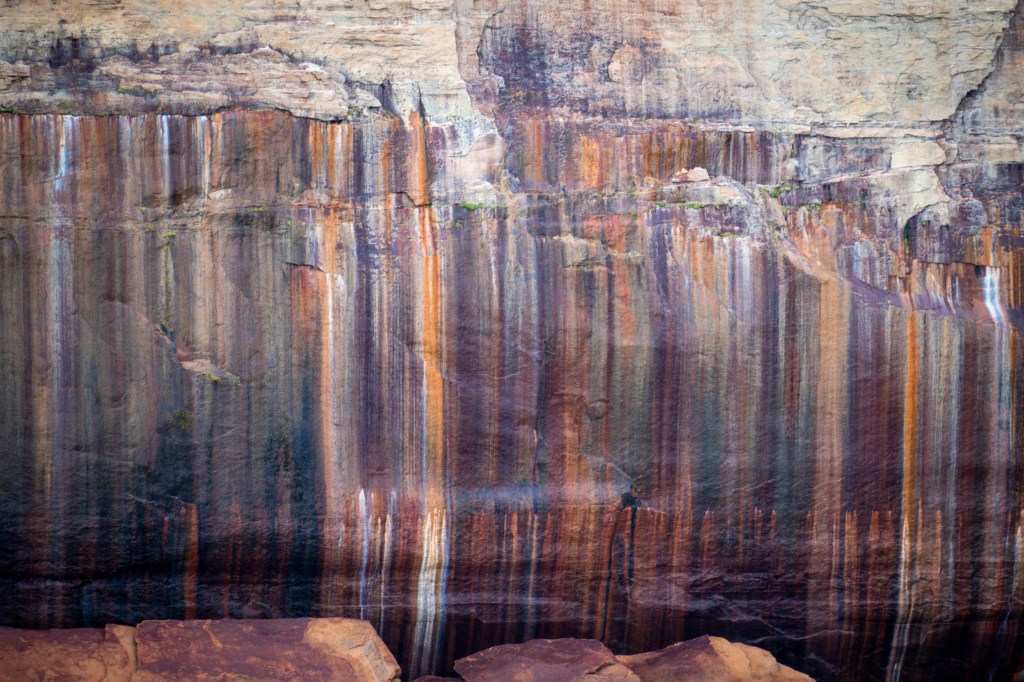
If the weather ends up being too foggy to see the cliffs from the water, they’ll postpone or cancel your boat tour. Fog usually doesn’t last too long in Michigan, so if you have a couple days in Munising you should see be able to see them eventually. We had to postpone our morning boat tour to the afternoon due to fog when I first went, but it was worth the wait!
Another way to see Pictured Rocks is by taking a kayak tour. I would love to do this some day, but at the same time it terrifies me. With weather and constant erosion, there’s always a chance of rock collapses. In fact, the last time I visited there was a large collapse that happened just days before. Luckily there were no kayakers nearby and no one got hurt. So, you do you, but be aware that kayaking is not the safest option.
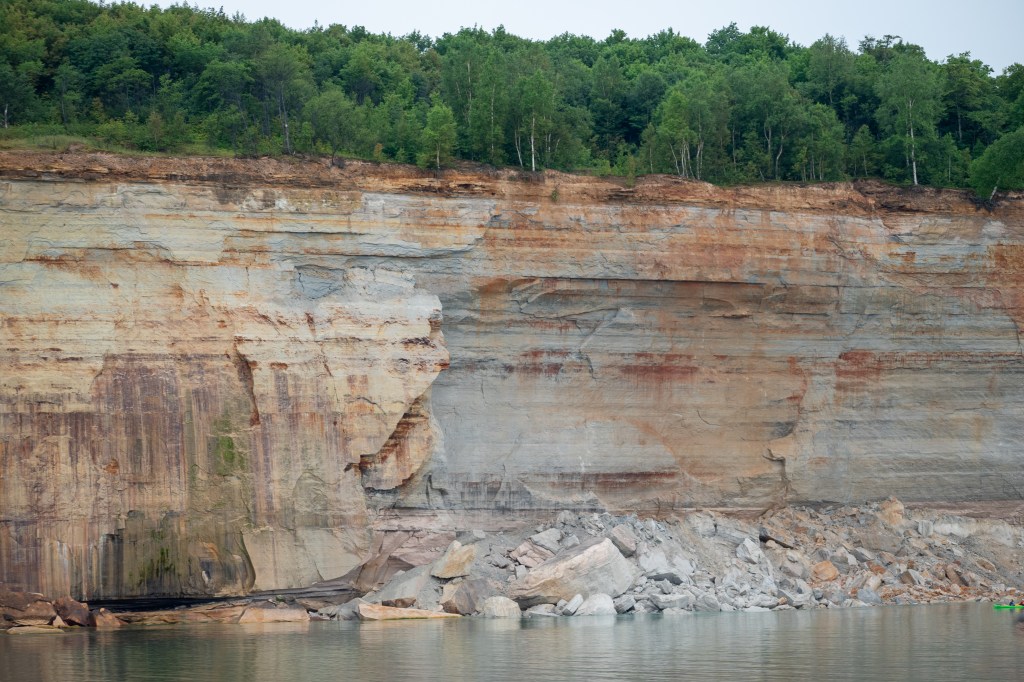
There are also a few areas where you can view some of the rock formations on land, such as at the Miners Castle Overlook and Chapel Rock. In addition, Pictured Rocks provides roughly 100 miles of hiking trails to explore.

Pictured Rocks National Lakeshore is an absolute must-visit if you are visiting the UP.
2. Explore Munising’s Waterfalls

While in Munising, be sure not to miss some of the many waterfalls in the area. There are four directly within Munising’s city limits, and 17 within driving distance in Alger County.
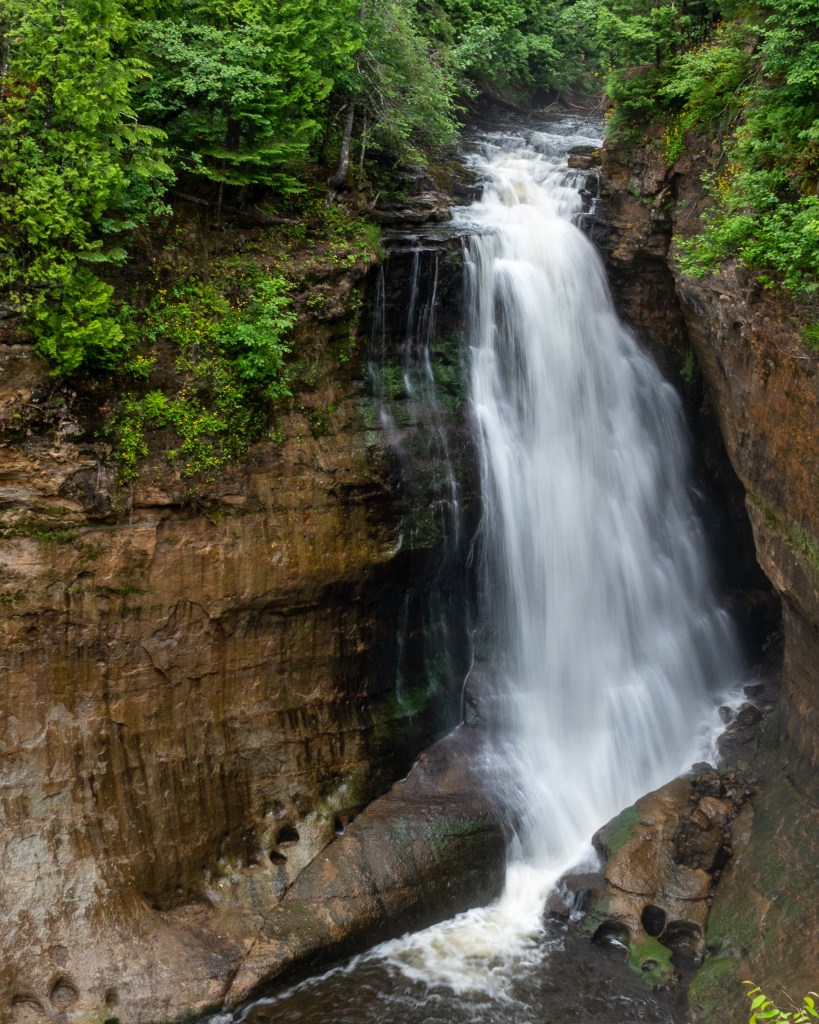
The falls vary in size, and some are easy to get to while others take a hike. My top favorite “easy” waterfalls are Munising Falls and Wagner Falls, while one I really enjoyed that took a little walking was Miners Falls. You can also view a few waterfalls from the Pictured Rocks boat tour, including Spray Falls and Bridalveil Falls (depending on the time of year).
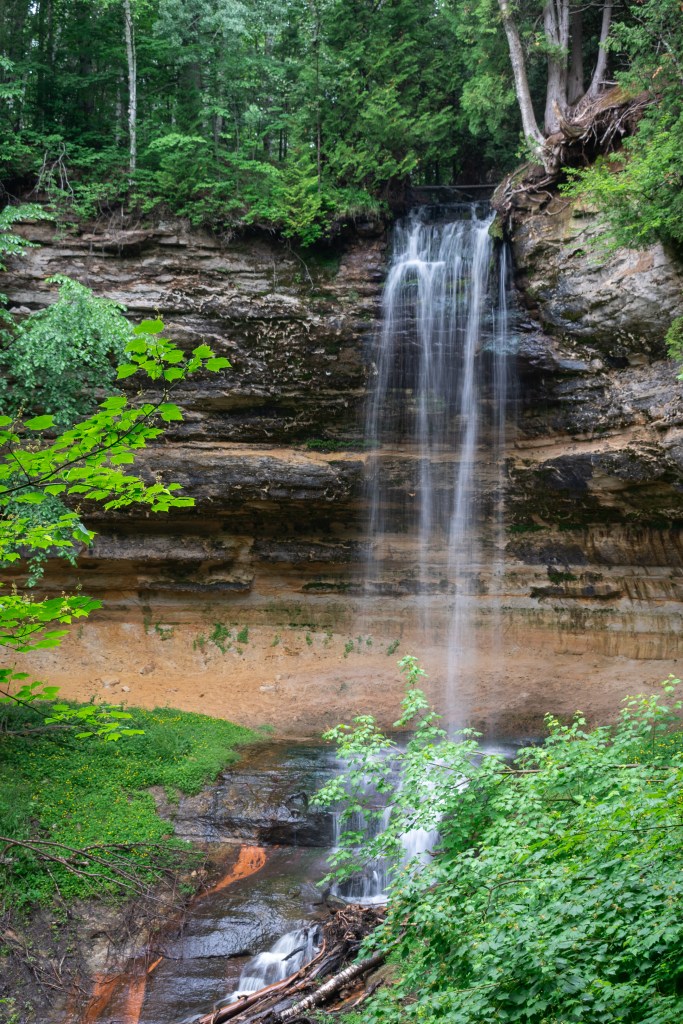
While Munising is a big hub for waterfalls in the Upper Peninsula, there are many more scattered throughout, including…
3. Tahquamenon Falls State Park

Tahquamenon Falls, Michigan’s largest waterfall system, is a set of amber-colored waterfalls near Paradise. Yes, the town is actually called Paradise. This is another site you’ve probably seen in Pure Michigan commercials.
Tahquamenon consists of two waterfalls: The Upper Falls and the Lower Falls. The Upper Falls are the most recognizable with its 50-foot drop. What’s most impressive about the Upper Falls is that more than 50,000 gallons of water can pour over its edge per second. While that pales in comparison to Niagara’s more than 750,000 gallons, Tahquamenon Falls is the next voluminous waterfall east of the Mississippi River. The Lower Falls are about four miles downstream and consist of five smaller waterfalls. Here you can rent rowboats to access the island in the middle of the Lower Falls. This area is also a great place to swim.
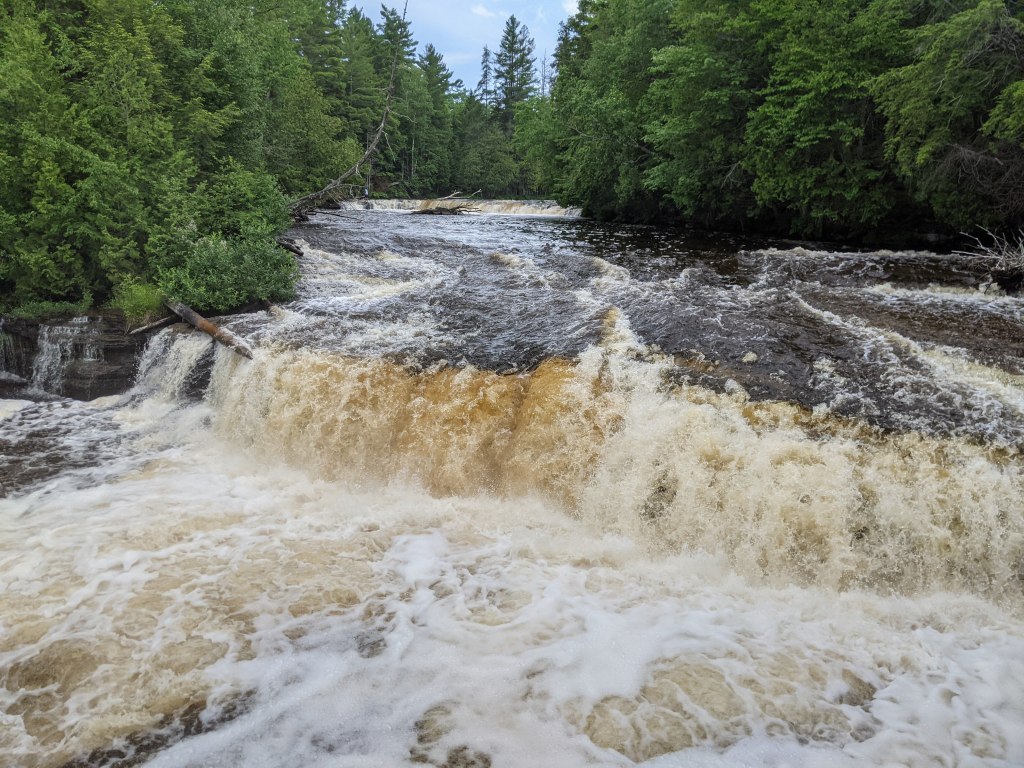
If you’re up for a trek, you can hike the 4-mile riverside trail between both parts of the falls. While this might not seem incredibly long for a hike, many people say it feels and takes a lot longer because the path isn’t flat. So, you have been warned.

The rest of Tahquamenon Falls State Park consists of nearly 50,000 acres of land, making it the second largest State Park in Michigan behind…
4. Porcupine Mountains Wilderness State Park
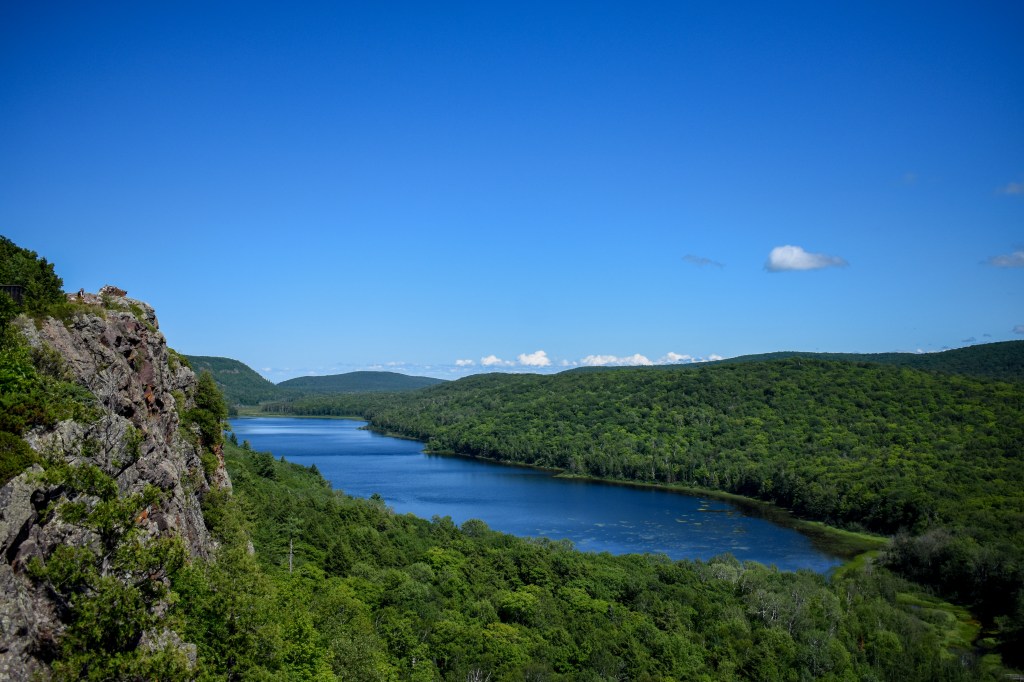
Yes, there are mountains in Michigan! Albeit, quite small mountains, but mountains nonetheless.
The Porcupine Mountains span about 12 miles and rise up to 1,958 feet above sea level, however the entire state park is about 59,000 acres (~92 square miles), making it the largest Michigan State Park. This land is filled with 90 miles of hiking trails and is an excellent place for camping, skiing, and fishing.
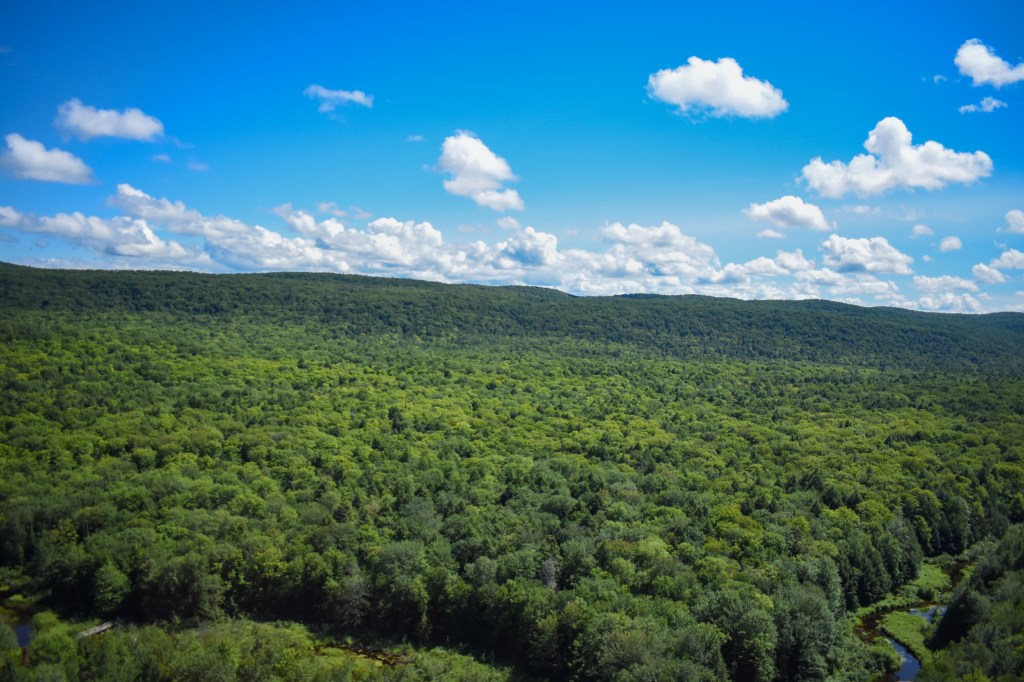
One of the top attractions within the Porcupine Mountains is Lake of the Clouds. This lake is nestled in a tree-covered valley and can be easily viewed from a beautiful overlook you can drive to, or you can hike around the area if you choose. Lake of the Clouds is surrounded by thick green forests during the summer, and in the fall the trees turn into a vibrant, fiery sea of reds and oranges and yellows.

The Porcupine Mountains Park is a stunning natural area excellent for those looking for a serene place to explore.
5. Bike around Mackinac Island

If there’s only one thing you’re able to do in northern Michigan, visit Mackinac Island (pronounced mack-i-naw).
This is technically in the Upper Peninsula, but it is an island (obviously) in the straits between the upper and lower peninsulas.
I could go on and on about why to visit Mackinac Island (a feature post to come later on), so I’ll give you the basics:
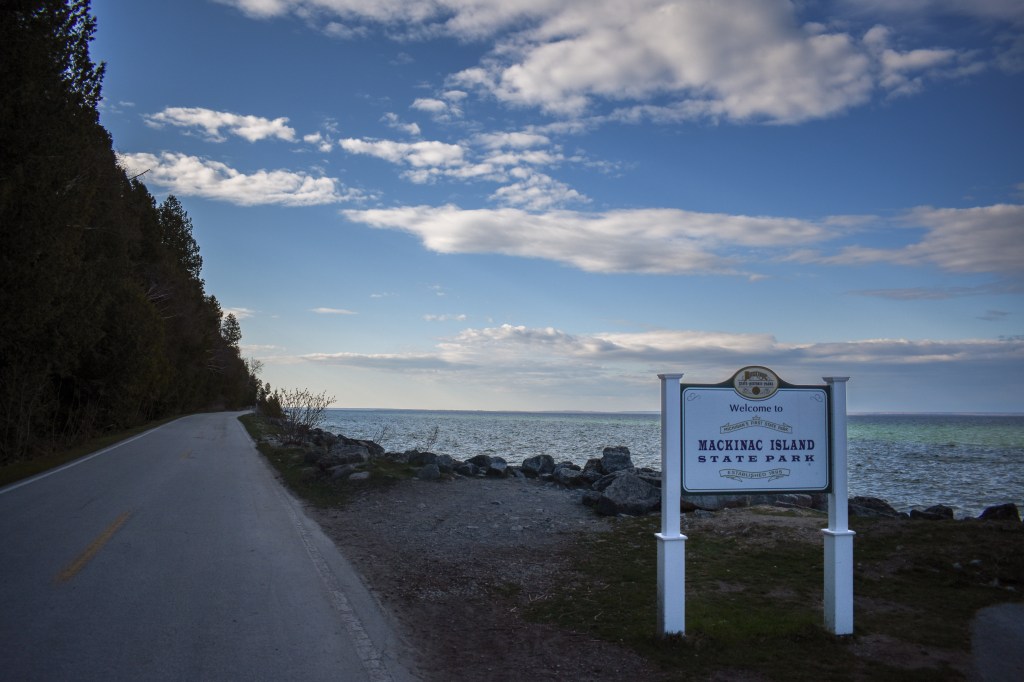
Mackinac Island is filled with history, natural wonders, and fudge. And the absolute best part: there are no cars. The only way to get around the island is by walking, biking, or taking a horse drawn carriage (aka their taxis).

Downtown is filled with lots of cute touristy shops, tasty restaurants, and about a dozen fudge shops. My personal favorite is Ryba’s, but I’m a little biased because I used to work there. Fudge is an iconic staple of the island, and people will travel halfway across the world just to buy some real Mackinac Island fudge.

One of the most prominent and hard-to-miss sites on the island is Fort Mackinac, which sits atop a steep bluff and overlooks Marquette Park. This is a must-visit place where you can get a glimpse into what life was like for soldiers stationed there in the 1800s, complete with costumed reenactors, musket demonstrations, and canon firings. Other historical sites to visit include the Biddle House and the Blacksmith House.

If you’re up for an adventure, take a hike or bike ride to Mackinac Island’s most iconic geological formation: Arch Rock. There you’ll also get beautiful views of the crystal blue-green waters of Lake Huron. While you’re inland, take stops at other rock formations like Sugar Loaf Rock, Skull Cave, Cave of the Woods, and Crack in the Island. The island is made up of limestone, making it a prime place for unique natural structures.

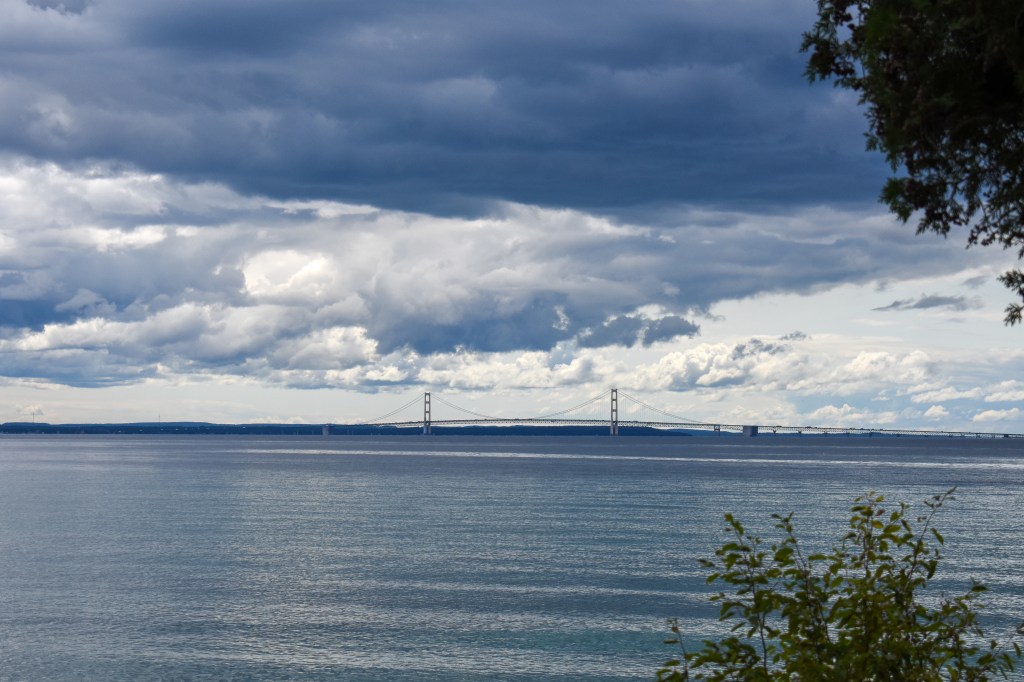
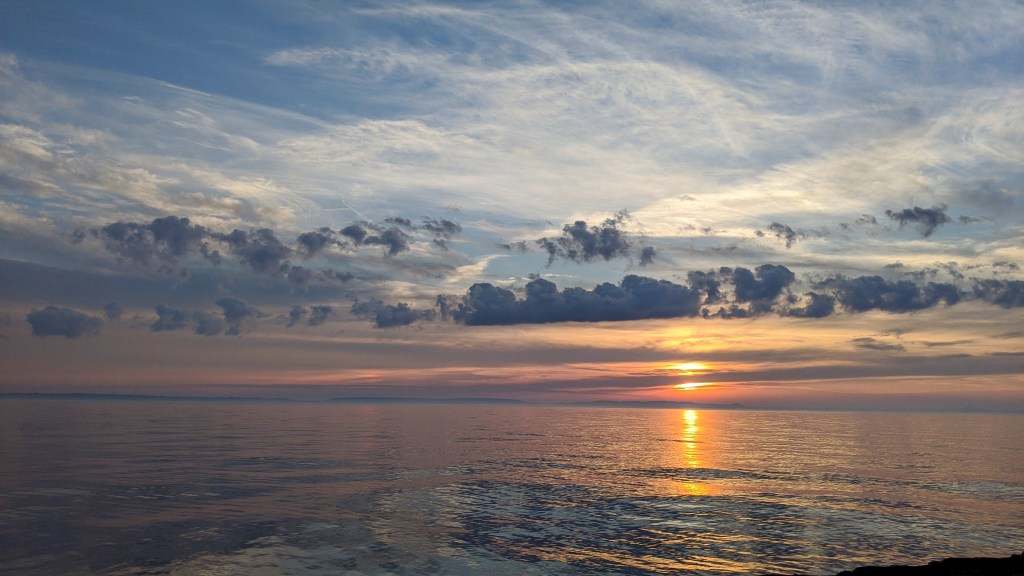
Or, consider biking the flat 8.2 miles around the island and take in the serene views of Lake Huron and the Mackinac Bridge. On the way you can stop at various historical/nature spots, however if you don’t stop the trip will take you about an hour. You can either bring your own bike, or rent one from one of the many bike shops on the island.
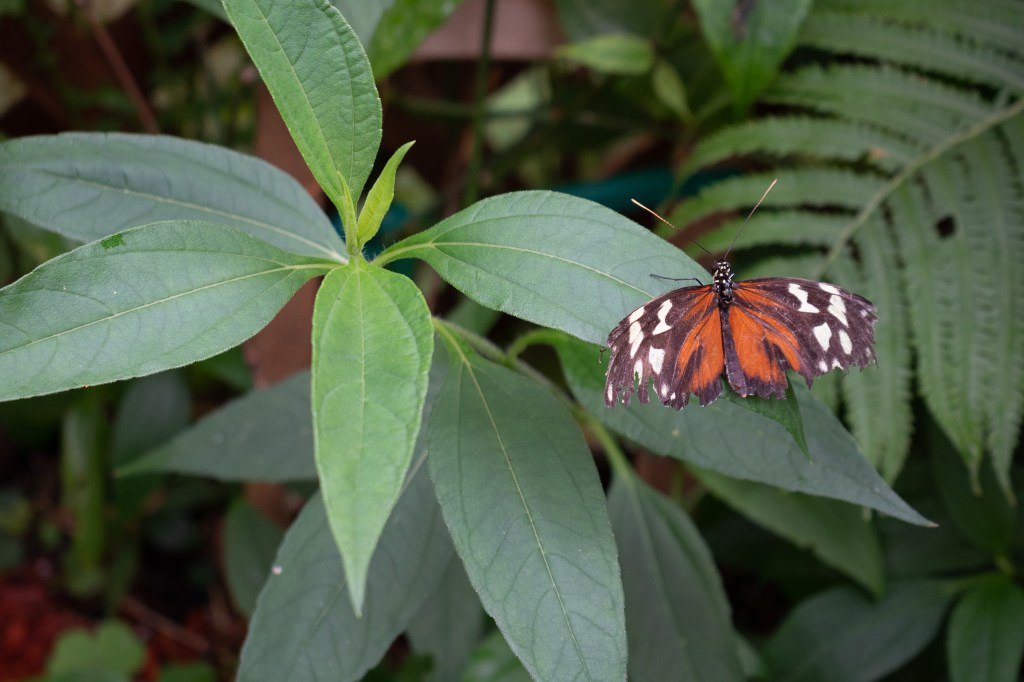
Other places to see include Fort Holmes (the highest point on the island), one of the two butterfly houses, or the historic Grand Hotel. You can access Fort Holmes by biking up the hill, or you can hike over 140-steps to the top. Either way, it’s a bit of a workout. As for the butterfly houses, The Original Mackinac Island Butterfly House is probably the most popular and easiest to access, while Wings of Mackinac is a little further inland, though it is a little bigger.
If you don’t want to walk or bike the island, consider taking a carriage tour. The tour will show you the major sites of the island and give you opportunities to stop for photos at Arch Rock. You also have the opportunity to stop at Fort Mackinac at the end of the tour so you don’t have to climb up to it via the arduous Fort Hill. Even after walking up Fort Hill probably over a hundred times—and with a bike—that hill never got easier.

While sometimes the island can feel a little touristy, on slower days the island feels like a fantasy land. Just watch out for the horse poop!
6. Watch Freighters Pass at the Soo Locks in Sault Ste. Marie
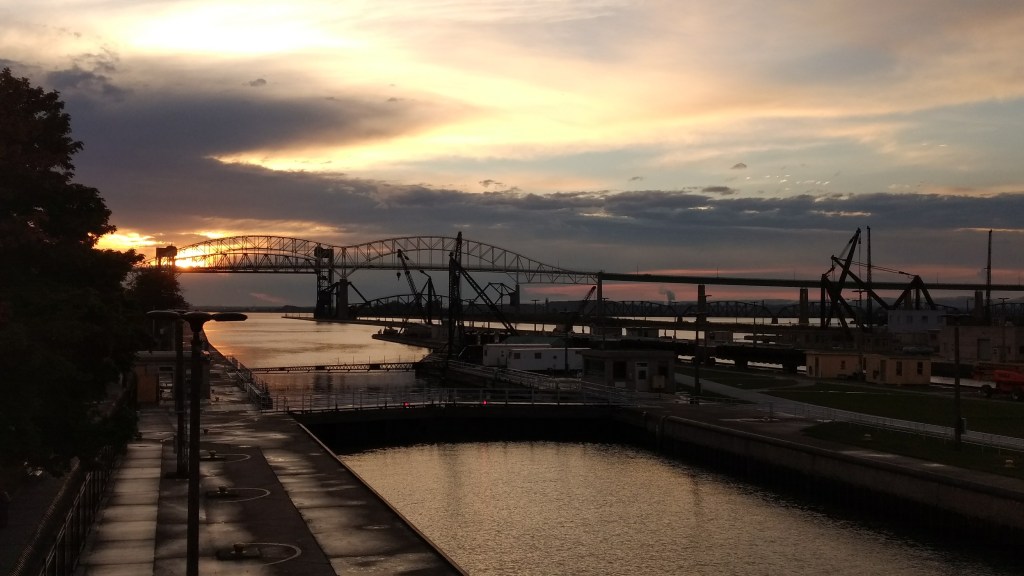
Sault Ste. Marie (pronounced soo saint marie), situated along Lake Superior near the Canadian border, is Michigan’s oldest city. Like the majority of areas in Michigan, Sault Ste. Marie was first settled by Native American tribes. It was an excellent area for fur trading and fishing because of the wide St. Mary’s River that links Lake Huron and Lake Superior.
One of the most notable parts about Sault Ste. Marie today is its lock system, known as the Soo Locks. Built in the 1800s, the Soo Locks have been essential to the shipping business. These locks were created to help boats pass through the rapid waters that connect Lake Superior and Lake Huron, allowing them to ship cargo from Duluth, Minnesota to as far as the Atlantic Ocean. About 7,000-10,000 ships pass through the Soo Locks in a year with 86 million tons of cargo.

I’d recommend stopping by the Soo Locks Visitor Center, which has a viewing platform that allows people to watch as large freighters pass through the locks. You also have the option to take a boat tour through the locks, which gives you a unique opportunity to experience the complex lock system up close.
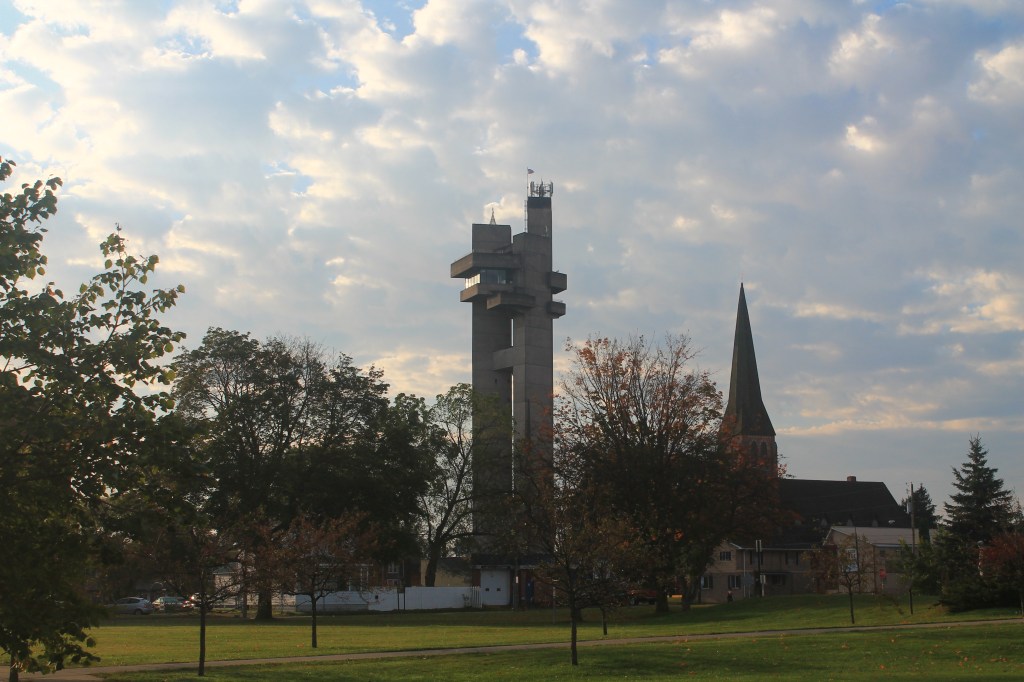
Other things to do in Sault Ste. Marie include touring the Museum Ship Valley Camp—a retired ship-turned museum—, taking in views from the Tower of History, or going for a walk along the St. Mary’s River and peering at Canada across the waters. With its important history and invaluable locks, the Soo is an iconic part of the UP!
7. Marvel at the Crystal Clear Waters of Kitch-iti-kipi
Kitch-iti-kipi is a natural spring in the south/central part of the Upper Peninsula known for its clear turquoise water. The name comes from the Ojibwe language, and fittingly means “big cold spring”.
The spring is about 200 feet across and 45 feet deep, making it the largest natural spring in Michigan. What’s even more fascinating about Kitch-it’s-kipi is that the spring’s water flows at more than 10,000 gallons a minute and the water temperature remains at 45 degrees throughout the entire year—even in the middle of the UP’s harsh winters.
At the spring you’re able to climb aboard a self-operated wooden raft that pulls you out into the spring and back. As you slowly traverse across the teal waters, you get to observe the trout and the remarkable underwater landscape. I personally haven’t been yet, but this gorgeous place has been on my UP bucket list for years!
8. Go for a Swim in Lake Superior

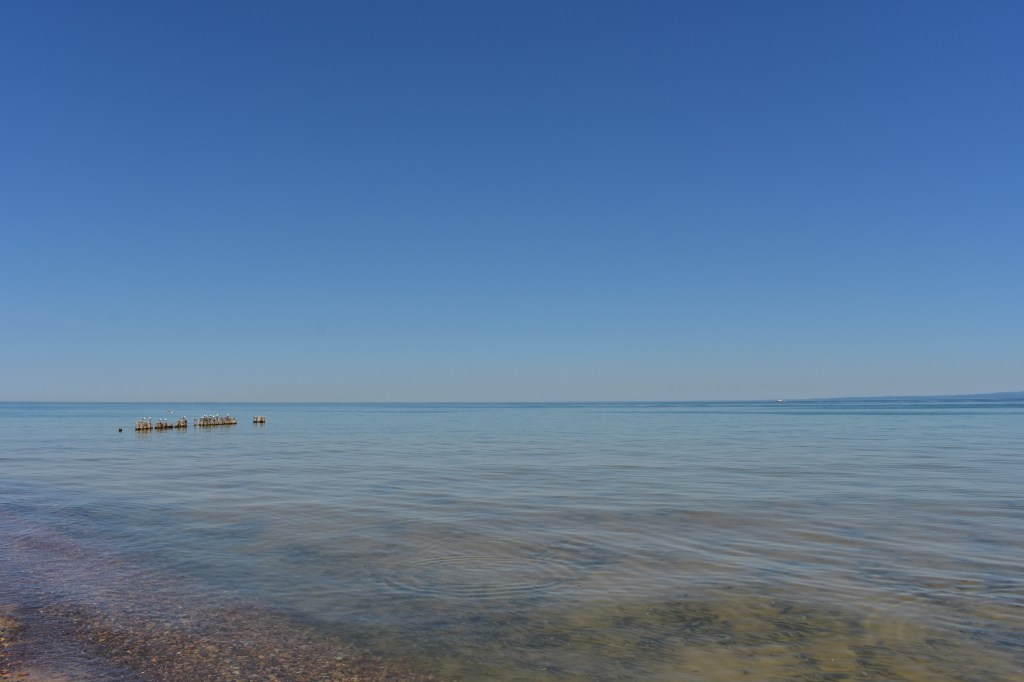
Lake Superior is the largest freshwater lake in the world by surface area, and it contains more water than all of the other four Great Lakes combined. Superior is also the cleanest of the Great Lakes, making it a wonderful place to swim. Though, it is also the coldest of the Great Lakes, with an average temperature of around 60-65 degrees—and that’s during the summer. But, if you’re brave enough to face the cold, it is a beautiful, idyllic place to swim.
9. Learn About Shipwrecks at the Whitefish Point Shipwreck Museum

If you decide to visit Tahquamenon Falls, also take a brief trip 11 miles north of Paradise up to Whitefish Point. There you will find the Great Lakes Shipwreck Museum, which details the history of shipwrecks on Lake Superior. Here you’ll also see the Whitefish Point Light Tower, which is the oldest operating lighthouse on Lake Superior.
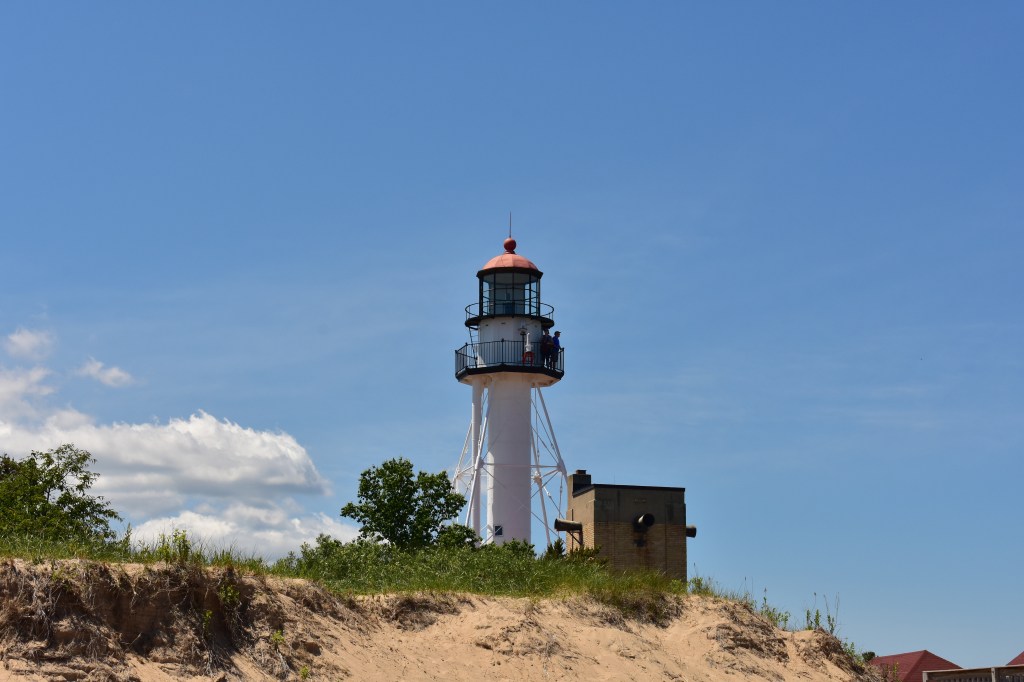
This museum also highlights Lake Superior’s best-known shipwreck, the Edmund Fitzgerald. The Fitzgerald went down in November 1975 and lost her entire crew in a tragic storm. At the time, the Fitzgerald was the largest ship to sail the Great Lakes, and it’s the largest ship that has sunk in its waters. The ship is so significant that there have been a multitude of books, films, and media coverage about it, making it one of the most well-known shipwrecks after the Titanic. The museum discusses some of the ship’s history and displays it’s bell, which was recovered during an expedition to the wreck in 1995.
While this is a great place to learn about the important history that’s taken place on the waters of Lake Superior, you also get beautiful views of the lake itself.
Michigan’s Upper Peninsula is a treasure trove of natural wonders, outdoor adventures, and historical sites. Whether you’re seeking solitude in the wilderness or exploring the land’s rich history, the UP promises an unforgettable trip.
 Happy Lil’ Traveller
Leave a comment