
The legend of Loch Ness’ famed mystical creature has drawn a lot of tourism to the otherwise unassuming body of water throughout the past century. Though, upon visiting (or reading this blog) you’ll learn there’s a lot more to Loch Ness than just its monster.
Here’s everything you need to know about Loch Ness: the history, the myth, and the visitor’s experience.
The Loch
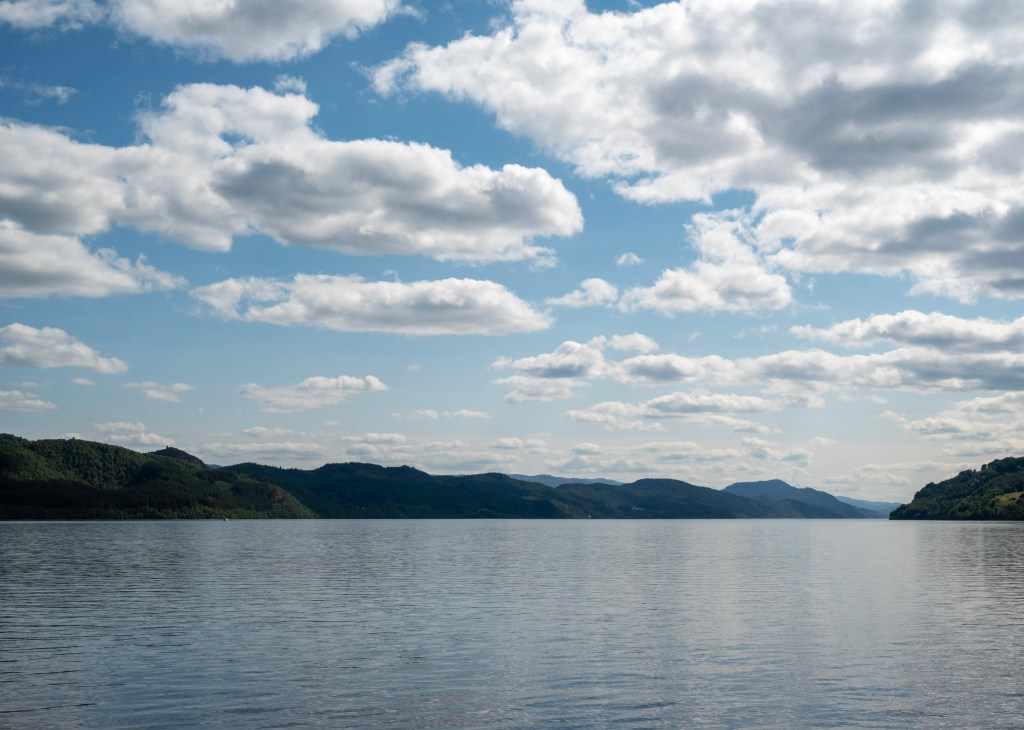
At first glance, Loch Ness looks like a scenic body of water—nothing more. Though, if you look on a map, the loch looks incredibly thin—almost like a river. The entire loch is an incredible 22.5 miles long, but only one mile wide for a surface area of about 22 square miles. If the loch is so thin, then how could a notoriously huge creature hide in it? Well, the loch is deep. Like, reaaaally deep.
Think of the loch like a bathtub. The sides drop off at a steep slope, and the middle remains at a consistent depth around 750 feet. To put the depth into perspective, Loch Ness contains more freshwater than all the lakes in England and Wales combined, making it the largest loch in Scotland by volume. It’s hard to fathom, especially when you’re boating on the loch.
Not even 30 seconds after leaving the dock, the depth below us was already over 100 feet. A few meters further, and there was enough room beneath us to fit the Statue of Liberty (305 feet). So, not only is the loch deep, but it gets deep fast. Its narrow, cavernous shape was primarily carved out by glaciers during the last Ice Age, but was also formed by tectonic activity due to its situation on the Great Glen Fault.
If you think the depth scary, what’s worse is you can’t see anything below the surface—all you can see is incredibly dark, murky water. Even if you dove into the loch, visibility is extremely low due to the high concentration of peat in the ground. This allows for many mysteries to lie beneath the surface.
The Lore
The mystery of the Loch Ness Monster has taken on a lot of fame since the 1930s, but tales of a creature swimming in the loch’s depths go back thousands of years.
Around A.D. 500, an ancient Celtic group called the Picts left carvings of a serpentine animal near the loch, which is said to be one of the earliest potential references to Nessie. Later, a 7th-century biographer claimed an Irish missionary, Saint Columba, had encountered a violent beast in the loch in A.D. 565. But the most recent lore began about one hundred years ago.
In mid-spring of 1933, a couple claimed they saw “an enormous animal rolling and plunging on the surface,” which caused the media to leap at this supposed abnormality. The year after is when the famous Nessie photo was taken with her head popping out of the water (known as “Surgeon’s Photograph”). Though, this photo was later proven fake in the 90s.

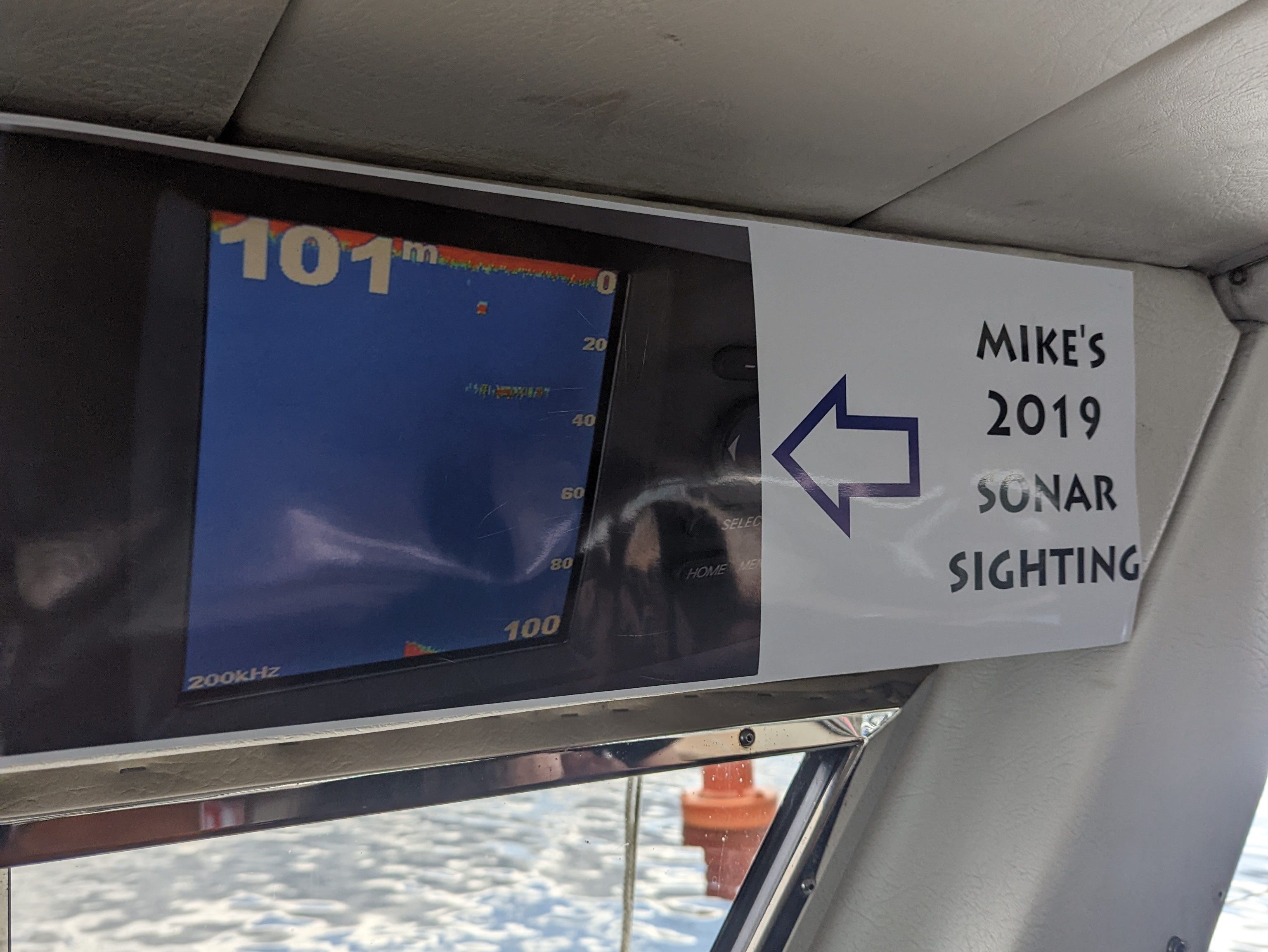
Since 1933, numerous expeditions utilizing sonar and underwater photography have tried to capture evidence of Nessie, however there has been nothing conclusive. Some expeditions have detected large moving objects under the surface—one even resembling a giant animal flipper—though nothing has proved the existence of an ancient monster.
Despite the lack of evidence, there are many theories as to what this potential creature could be based on the supposed sightings. Some propose it could be aquatic plesiosaur dinosaurs that survived extinction millions of years ago. That’s pretty unlikely, so more accepted theories point to modern creatures. The loch is connected to the ocean, so perhaps a whale got lost on that infamous day in 1933? Some also say “Nessie” could be a large fish like a sturgeon or catfish, though studies have found no DNA to prove the existence of those fish in the loch. The most plausible answer points to a giant eel, as research and DNA tests from water samples suggest there are many eels in the loch.
Regardless of what Nessie is, “The Official Loch Ness Monster Sightings Register” receives about an average of 10 reported sightings a year, with the total at 1,161 as of writing this (May 2025).
My Loch Ness Experience
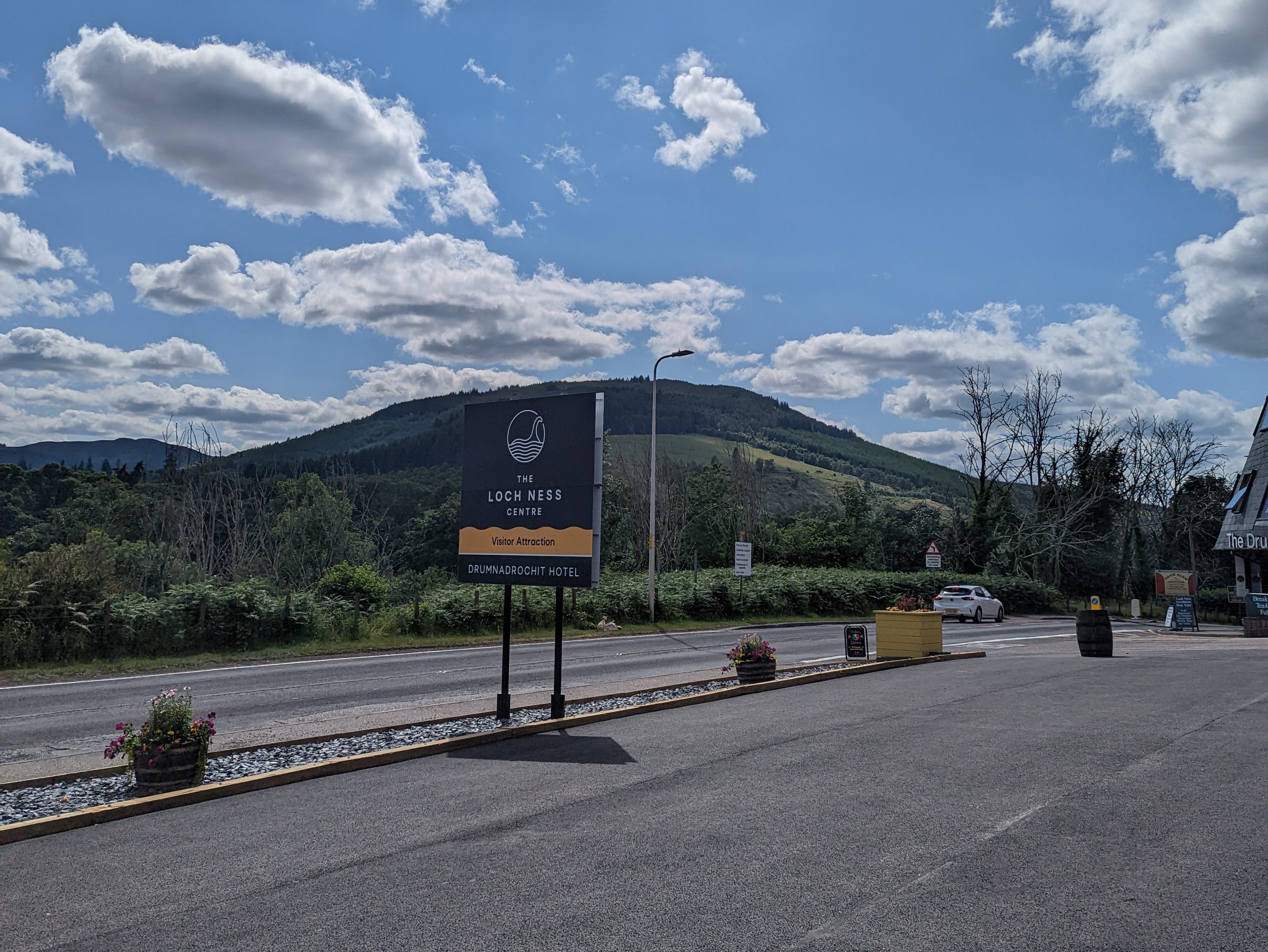
I was very fortunate to have visited Loch Ness with a tour group in June of 2023. We were dropped off at the Loch Ness Centre, and from there a small van drove us 5 minutes to Loch Ness. Upon arrival at the loch we boarded our boat, aptly named the Nessie Hunter, and began our journey.
You have the option to sit on the main deck where you can watch the sonar scanning the depths below, or you can sit on top and scan the surface of the lake yourself. I chose to sit on top and enjoy the beautiful views, though my younger brother was one of the only ones who opted to stay below and pester our guide with questions.
Our guide told us about the history of the lake and the sightings of Nessie, including a suspicious sonar scan he picked up a couple years ago. Along the way we saw the ruins of Urquhart Castle and took in the rolling hills surrounding us, and our guide frequently informed us of the depth below us. In total, the tour lasted about 45 minutes.

After being chartered back to the Loch Ness Centre, we got to experience the newly redone exhibit narrated by Scotland’s own David Tennant. This 45-minute tour takes you through six atmospheric rooms with entertaining videos that detail the history of the loch and debunk the famous Nessie sightings and theories.
At the end of the experience, you can decide if you’re a Nessie believer or if you think it’s all nonsense. Each person gets to press a button from one of three small circular tables to lock in their vote, and the votes are immediately tallied up on screens so you learn the percentage of people in the room who believe in Nessie, Nonsense, or Possibilities.

I was part of the 53% majority who said they see Nessie, while 35% said they see Possibilities and 12% see Nonsense. Do I truly believe that a “Nessie” exists? I’m not sure, but I’d like to think there is a large and unknown creature lurking in the waters.
Visiting Information
The Loch Ness Centre is open every day except Christmas Day, and exhibition tours run every 10 minutes. It’s located near the northwest side of the loch, about a 20-minute drive from Inverness.
Ticket prices for boat tours vary depending on the time of year, but you can find up-to-date information directly on their website.
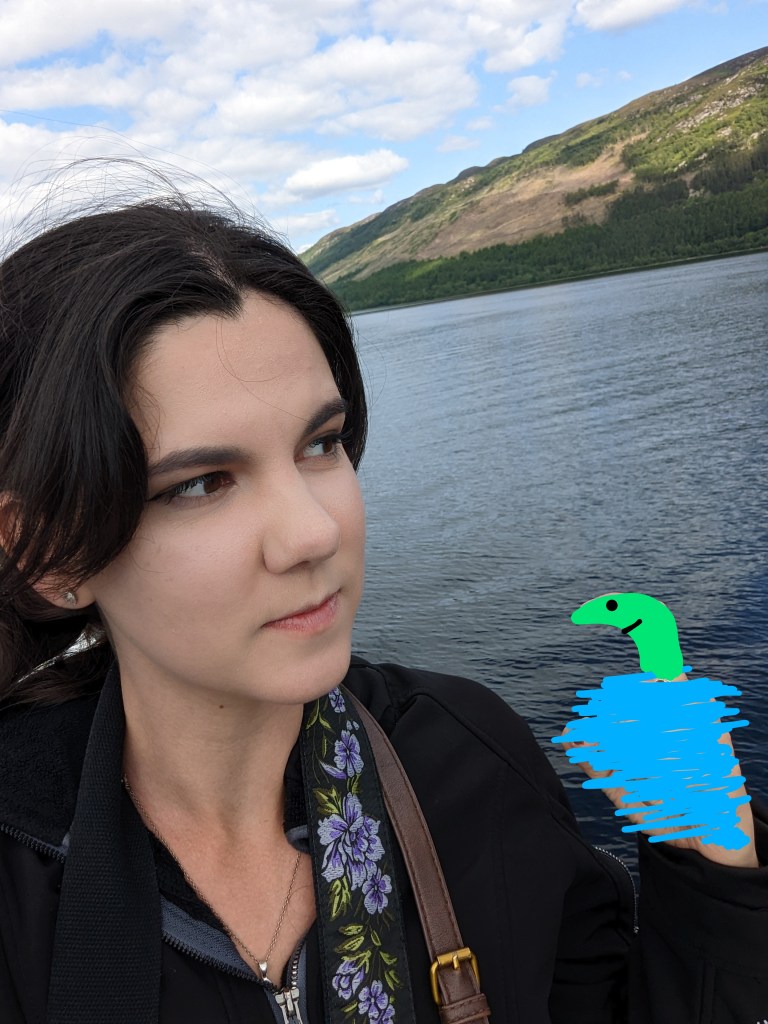
Now the big question is: did I spot Nessie? I’ll let this photo speak for itself:
 Happy Lil’ Traveller
Leave a comment