+ History, Visiting Info, & My Personal Experiences
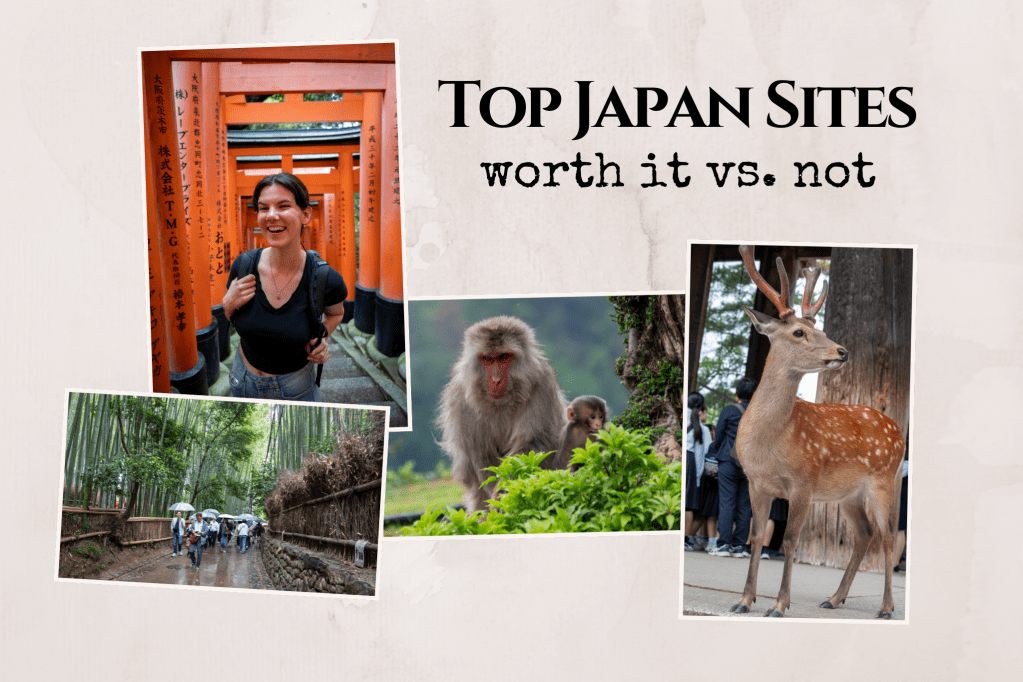
Planning a trip to Japan? The number of things to do is honestly a bit overwhelming, especially if you’re a first-time visitor and you have limited time in the country. Sifting through the popular sites and determining which places you should definitely visit and which ones are not all they are hyped up to be can be a challenge. Based on my personal experiences visiting Japan in late May of 2025, here are the “top destinations” I thought were worth the visit, and the ones that were not.
- Worth It: Omoide Yokocho
- Not Worth It: Tokyo Skytree
- Worth It: Fushimi Inari
- Not Worth It: The Golden Pavilion (Kinkaku-ji)
- Worth It: Nara Park
- Not Worth It: Arashiyama Bamboo Grove
- Worth It: Arashiyama Monkey Park Iwatayama
Worth It: Omoide Yokocho
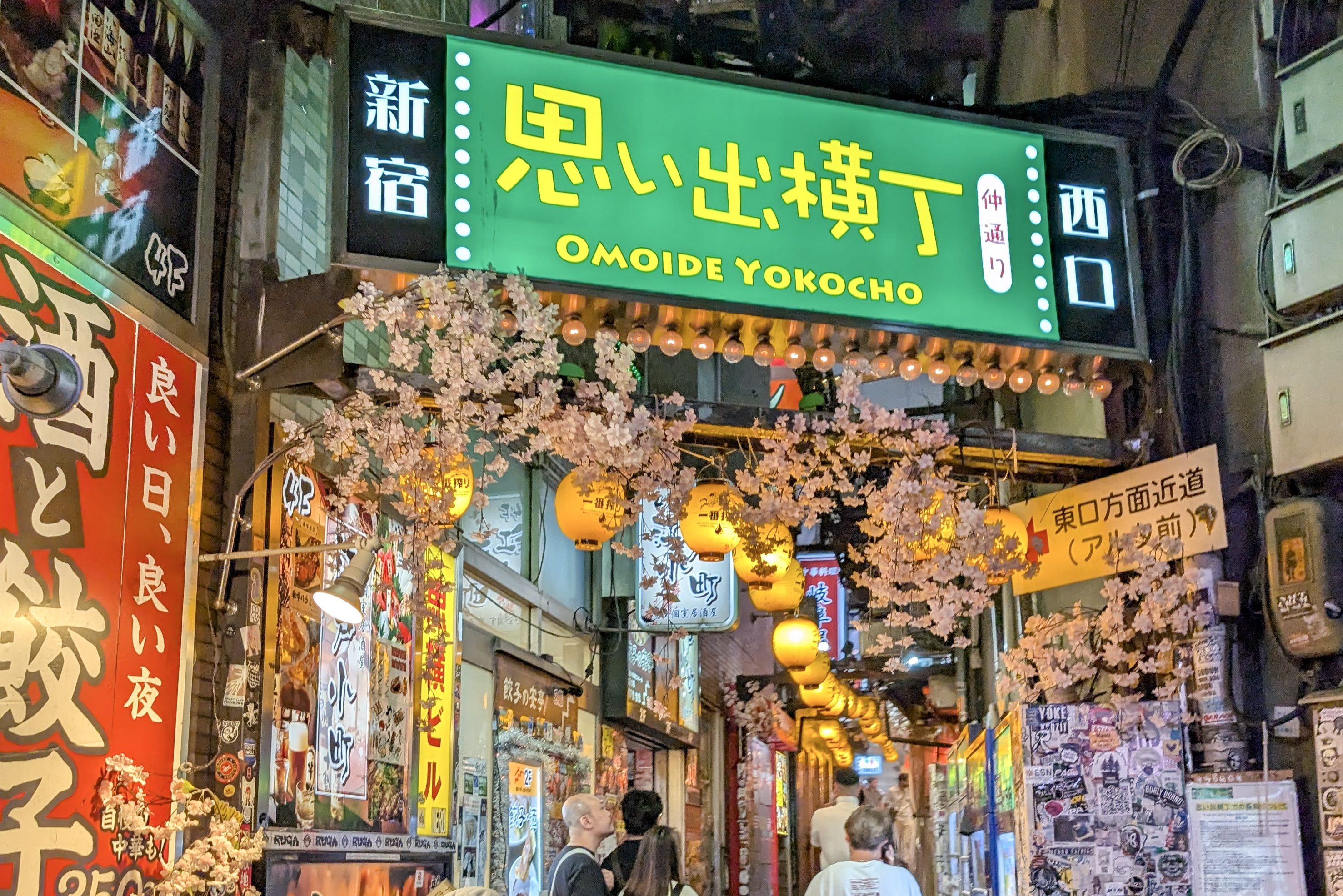
This iconic alley in Tokyo’s Shinjuku ward—otherwise known as Memory Lane or Piss Alley depending on who you ask—is definitely geared towards and overrun with tourists, however my experience here was a pleasant surprise. Serving yakitori and drinks in cramped, sweaty spaces, these tiny bars (izakayas) are great places to meet fellow travellers and chat for a couple hours.
Omoide Yokocho dates back to the late-1940s after World War II when it formed as a black market to provide essential foods and goods. Later, the market evolved into eateries and bars, and the alley is now a hot tourist destination in Tokyo.
That being said, prices are a little high here compared to other bars, and you will encounter a small cover charge of ¥300-500(~$2-3.50) at most places. I’ve seen people complain about the cover charges online, but keep in mind you don’t have to pay tips and American surcharges are usually much more than $3, so I was not upset about paying a few extra bucks. Also, you receive a small appetizer in exchange for the charge known as otoshi.
I have heard about foreigners being turned away from a few izakayas in the area because owners have loyal customers who will sit for hours after work and provide steady business, which is understandable. Overtourism has become a big issue in Japan and some people frankly don’t want to interact with tourists. We didn’t encounter any that turned us away along the main strip, but just keep that in mind in case you encounter any restaurants that greet you with ‘X’ crossed arms.
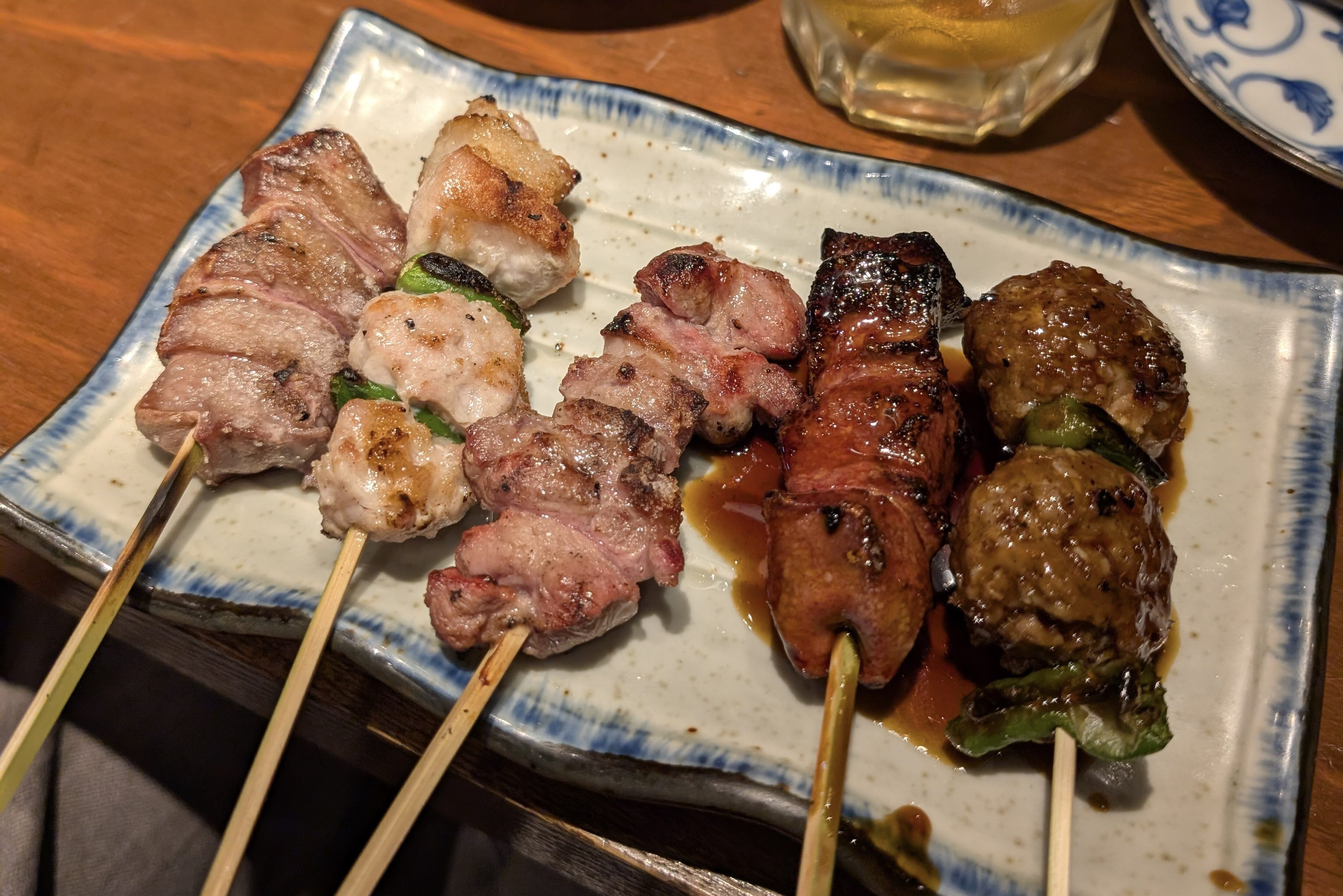
If you can’t find any bars with visible open seating, most have an upstairs you can squeeze into. After walking the length of the yokocho and back, my partner and I stopped at a random izakaya and shared a couple pork and chicken skewers, then went to Bar Albatross just down the alley.
The space was compact with maximalist décor: two bejeweled chandeliers and a disco ball dangled over the bar, and dozens of foreign paper currencies were taped to the low ceiling. All the walls were painted a bright red—all except the wall of alcohol behind the counter—and at the entrance sat a blue miniature of an ancient Greek Venus de Milo sculpture. The 7-person bar was full, so we had to shimmy behind the other guests to climb up a narrow, winding staircase that eventually gave way to the open-air rooftop.
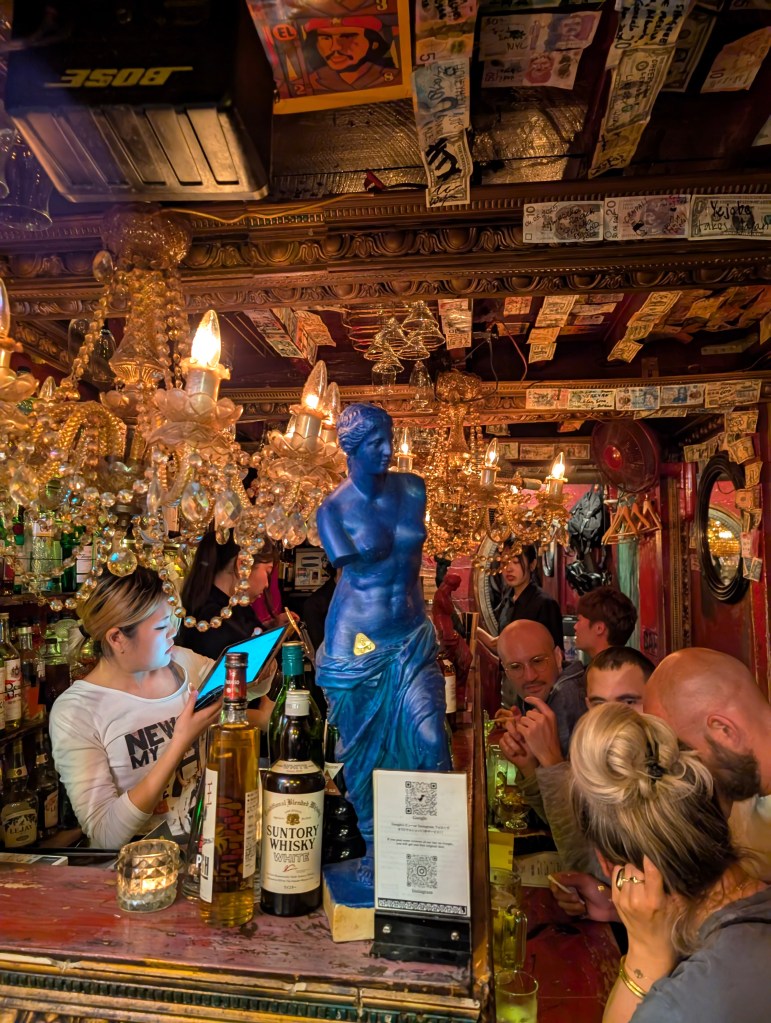
The roof could comfortably fit 10 people with its eclectic seating and felt much quieter and more breathable than the lively atmosphere below. We sat across from the Mona Lisa and shared rice snacks as we enjoyed our drinks and chatted with other foreigners. We met a few couples from the States and Australia, and we learned about each other’s lives and our travels (I am sooo jealous about how much time Australians get off from work…).
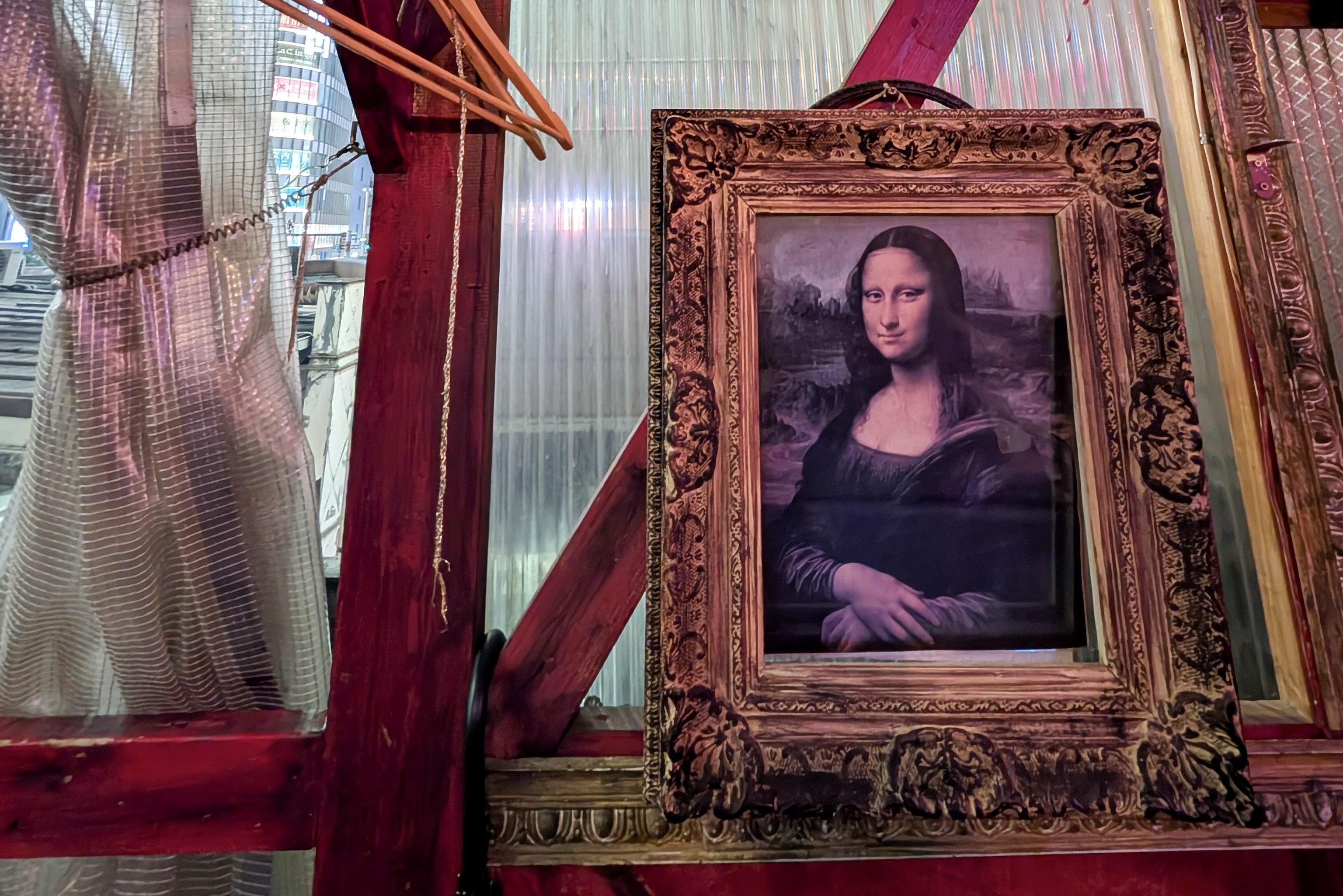
All in all, the memories we made here confirms Omoide Yokocho lives up to its name.
Not Worth It: Tokyo Skytree

For me, Tokyo Skytree felt too crowded and overstimulating to be an enjoyable experience, especially after a long day exploring the city.
Completed in 2012, Tokyo Skytree stands at 634 meters, making it the world’s tallest tower and the tallest manmade structure in Japan (for reference, the Eiffel Tower is only 330 meters tall). You can get excellent 360-degree panoramic views of Tokyo from two different levels: the Tembo Deck (350 meters) or the Tembo Galleria (450 meters).
For adults on weekdays, the Tembo Deck costs ¥2,100 (~$14.40), and the Galleria is ¥3,100 (~$21). Prices are more expensive on weekends and holidays, though they offer lower prices overall for children and people with disabilities. The tower is open from 10am-10pm every weekday and opens at 9am on Saturday and Sunday.
We booked our tickets in advance for the Tembo Deck on the Tokyo Skytree website. Our timeslot was on a Tuesday at 8pm after the sun had already set, which seemed to be a rather popular time despite it being a weekday.
Prior to visiting the Skytree, we hopped over to Asakusa around 5pm to explore the many shopping streets and grab dinner at a katsu restaurant. From the ancient Sensō-ji temple, we walked about 20 minutes to the tower. It was only 6:45pm by the time we arrived, so we perused the shopping mall with hundreds of stores in the base of the Skytree known as Tokyo Solamachi for about an hour. If you do choose to visit the Skytree and have time before or after your visit, I’d recommend checking out the mall.
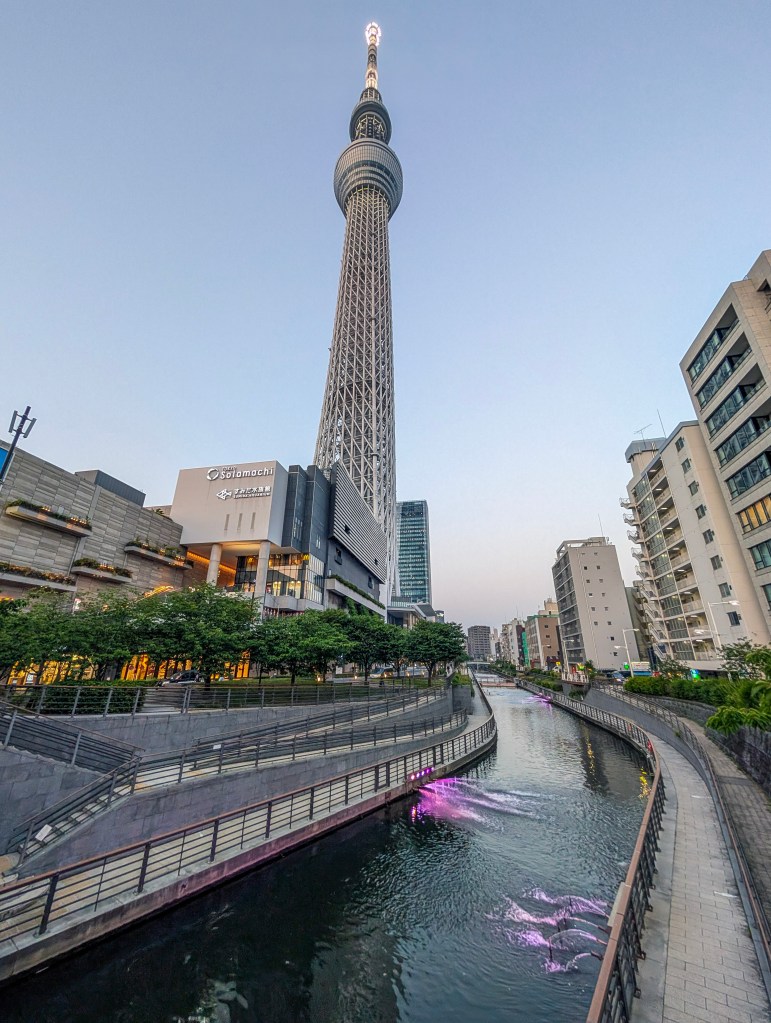
When our timeslot finally arrived, we waited in line for about 15-20 minutes to be corralled into one of four high-speed elevators that took us to the 350th floor in less than a minute. Upon entering the Tembo Deck, the space was overly crowded and noisy. They were also playing videos from an anime at an incredibly loud volume. We only spent about 20 minutes here after our long wait.
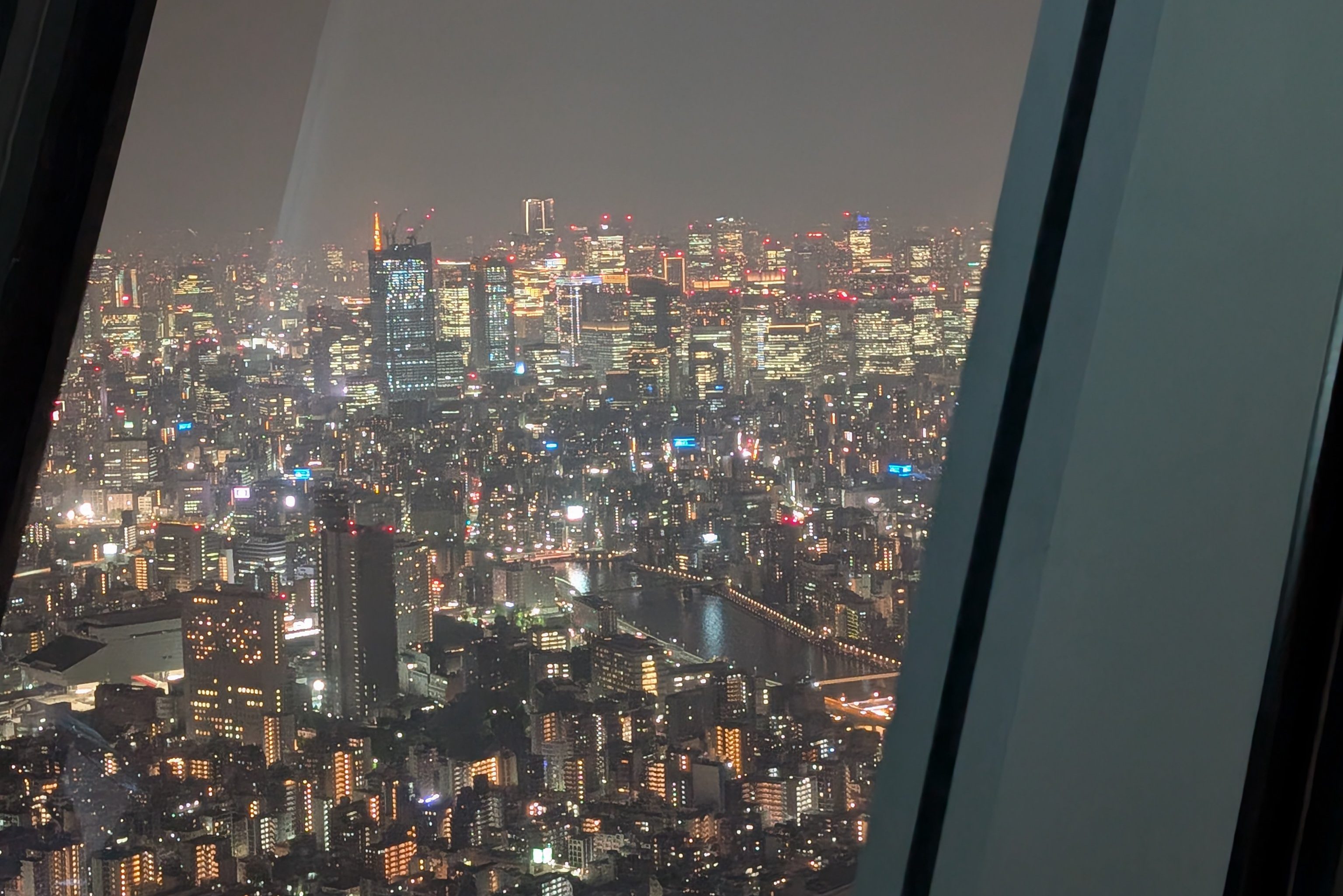
Maybe it’s more worth it to visit Tokyo Skytree during the day, but I personally wouldn’t recommend visiting at night.
Worth It: Fushimi Inari
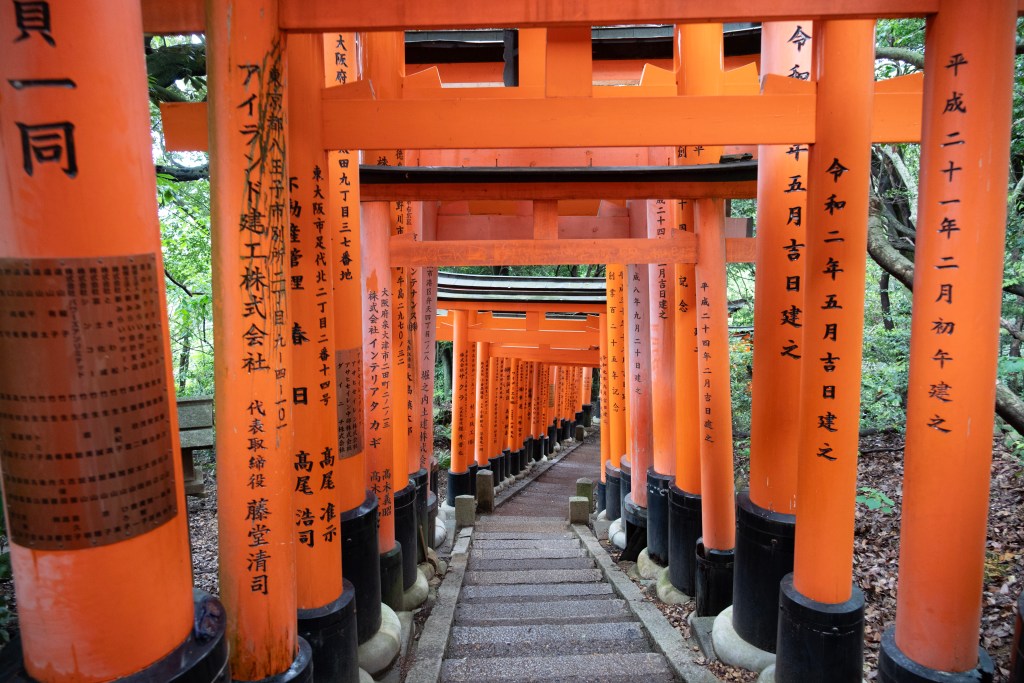
Yes. Please go.
Fushimi Inari is one of the top sites to visit in Kyoto, and for good reason. Walking through the shrine’s thousands of vermillion torii gates is such a unique and meditative experience.
I made a 3-minute video explaining the history of the shrine, visiting information, and my personal experience if you want more in-depth info, but to summarize the main points:
- The shrine is open 24 hours a day, seven days a week, and it is free to enter
- To fully experience the shrine, I would recommend spending at least two hours there (we spent just over two hours)
- If you want to have the place practically all to yourself, visit around 6am or after dark. Though, we arrived around 10:30am and left at 12:45pm and still greatly enjoyed our time, so it’s not necessary to get there early/late
- The site can be very crowded during the day, but most people turn around after the first part of the path known as the Senbon Torii (Thousand Torii Gates). Keep hiking up Mount Inari and the crowds will thin out considerably
- The hike up and down the mountain is about 5 km (3 miles) roundtrip and took us 1.5 hours
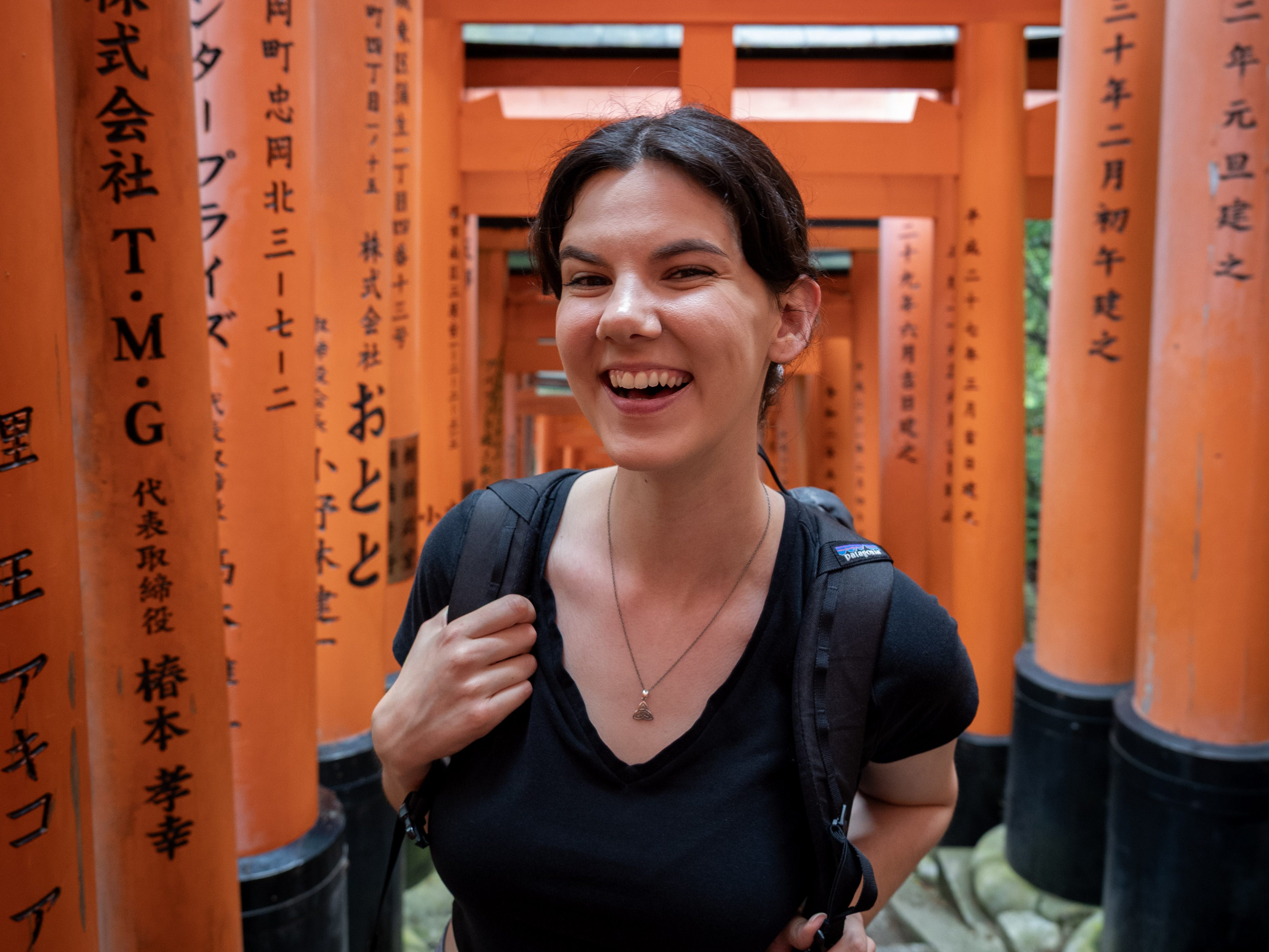
Fushimi Inari was one of my favorite places we visited during our 10 days in Japan. 100/10 highly recommend.
Not Worth It: The Golden Pavilion (Kinkaku-ji)
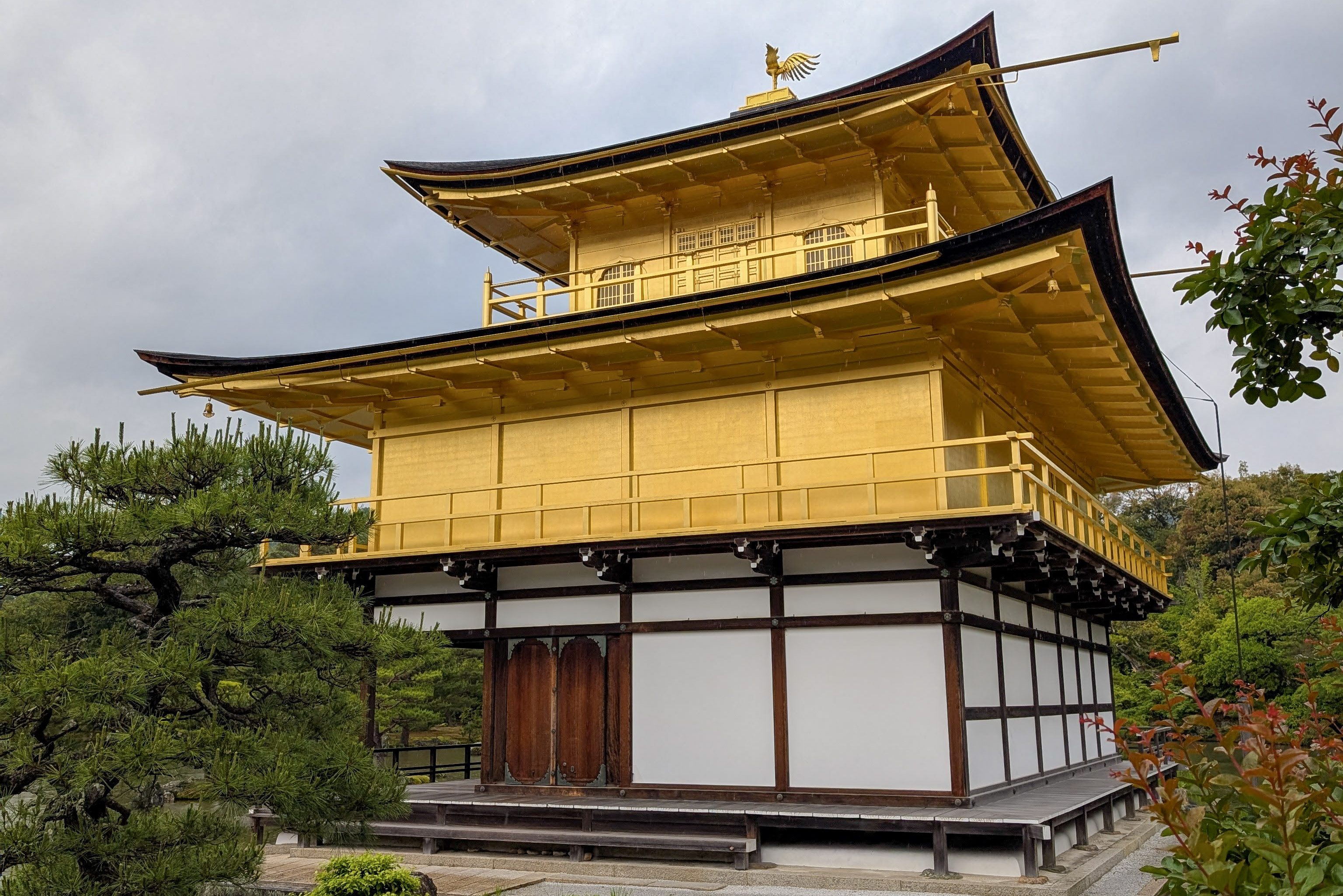
If you really want to enjoy your experience at the Golden Pavilion, don’t go in the middle of the day during peak season.
Located in northern Kyoto, this temple’s top two floors are covered in gold leaf. Kinkaku-ji (then called Rokuon-ji) was originally built around 1399 to be part of a retirement villa for the Shogun Ashikaga Yoshimitsu. After the shogun passed, it was converted into a Zen Buddhist Temple as he requested. All of the original structures burned down throughout the centuries, and the current Golden Pavilion (the only remaining building from the complex) was built in 1955. The site is open every day from 9am-5pm and costs ¥500 (~$3.40) to enter.
Today, many people visit just to get this iconic shot:
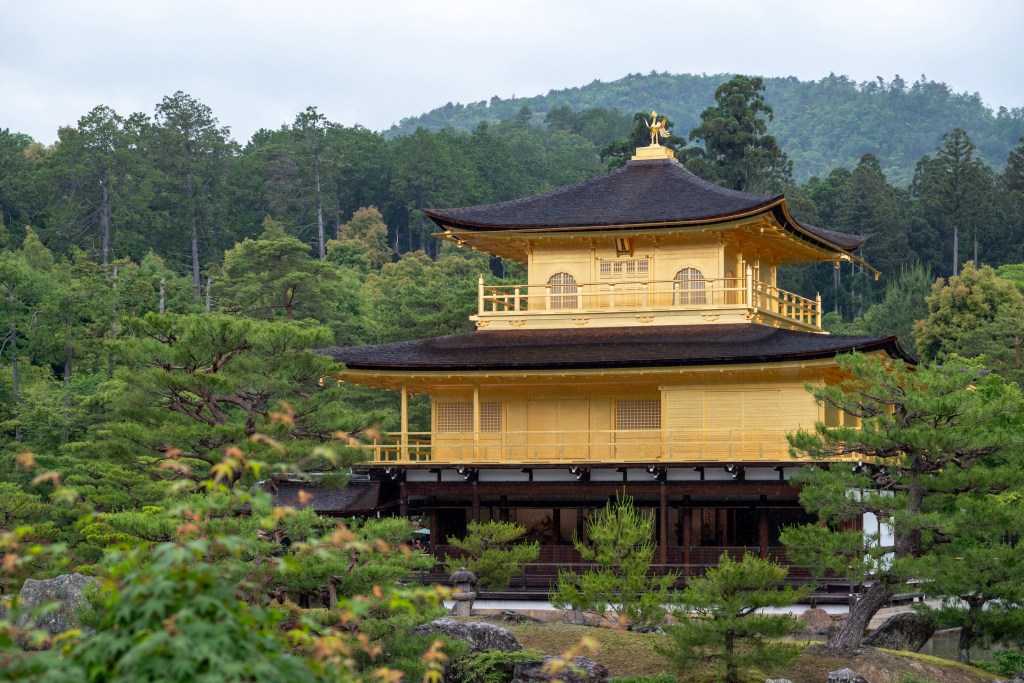
annnd that seems to be about it.
We arrived around 1pm and the number of people there was pretty significant. It didn’t help it was raining, which one might have thought would lessen the crowds. However, everyone brought umbrellas which further blocked the views.
After taking our photos like everyone else, we were basically funneled along a one-way path, which was incredibly congested. I didn’t feel like you had the opportunity to enjoy the grounds at a leisurely pace. We ended up spending only 30 minutes here.
The site is about a 30-40 minute bus ride from central Kyoto and it’s not near other popular destinations, so commuting for over an hour total to spend a half hour walking on a heavily crowded path was not ideal. Perhaps the Golden Pavilion is more worth the visit when it opens at 9am, and I’d recommend avoiding the weekend (we went on a Saturday, so that didn’t help).
Worth It: Nara Park

Nara is an excellent day trip if you’re staying in the Kansai region at all. We opted to stop by the city for a few hours on our way from Kyoto to Osaka, and it was another one of my favorite adventures from the entire trip. The park itself is open 24/7, is free to explore, and there are deer everywhere. However, they are not the only things to see here!
Nara Park dates back to 1880 when the area around the temple Kōfuku-ji was designated as parkland. The park has expanded since, encompassing over 1,200 acres as of 1960, including Todai-ji and Nara National Museum.
The deer that reside here—sika/shika deer—have inhabited the area for over 1,300 years since the establishment of the Kasugataisha Shrine in 768AD. Legend says the god of thunder, Takemikazuchi no Mikoto, came to the shrine on a white deer. So, the deer have been regarded as messengers of this deity and the people of Nara have worked to protect and build around them. Today Nara is home to about 1,300 sika/shika deer.
Supposedly, the deer learned to bow in order to receive a snack, and this behavioral trait has been passed down to each generation from the young observing their parents. Despite their comfortability around humans, they are wild deer, so you do need to practice caution when feeding them.
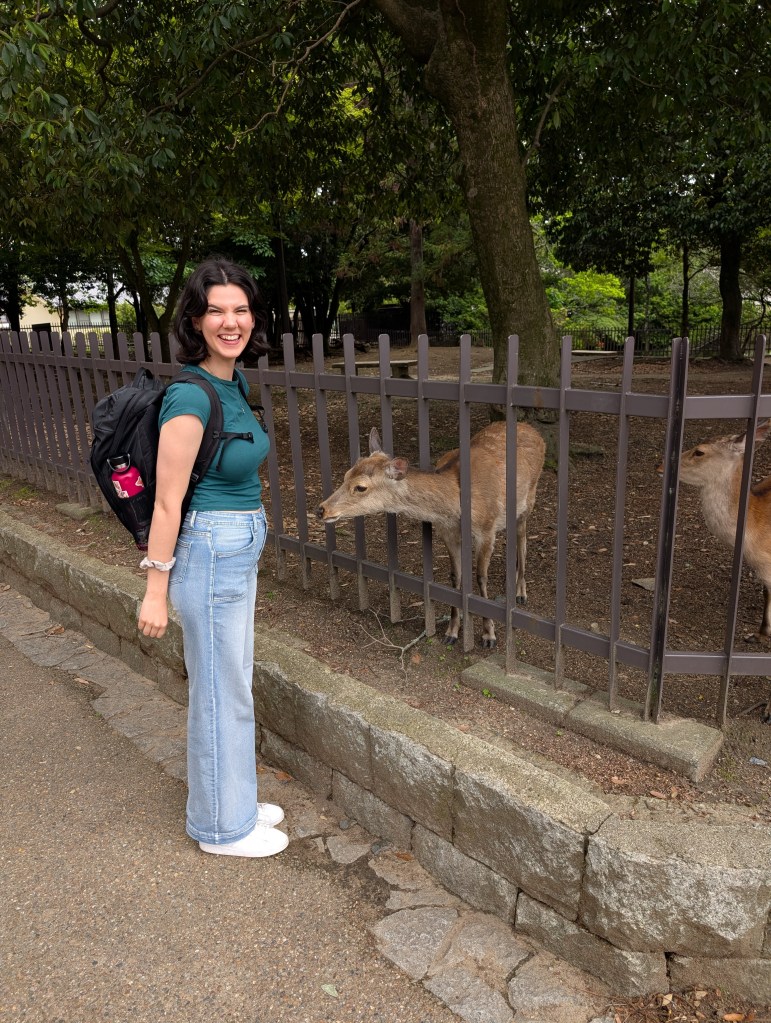
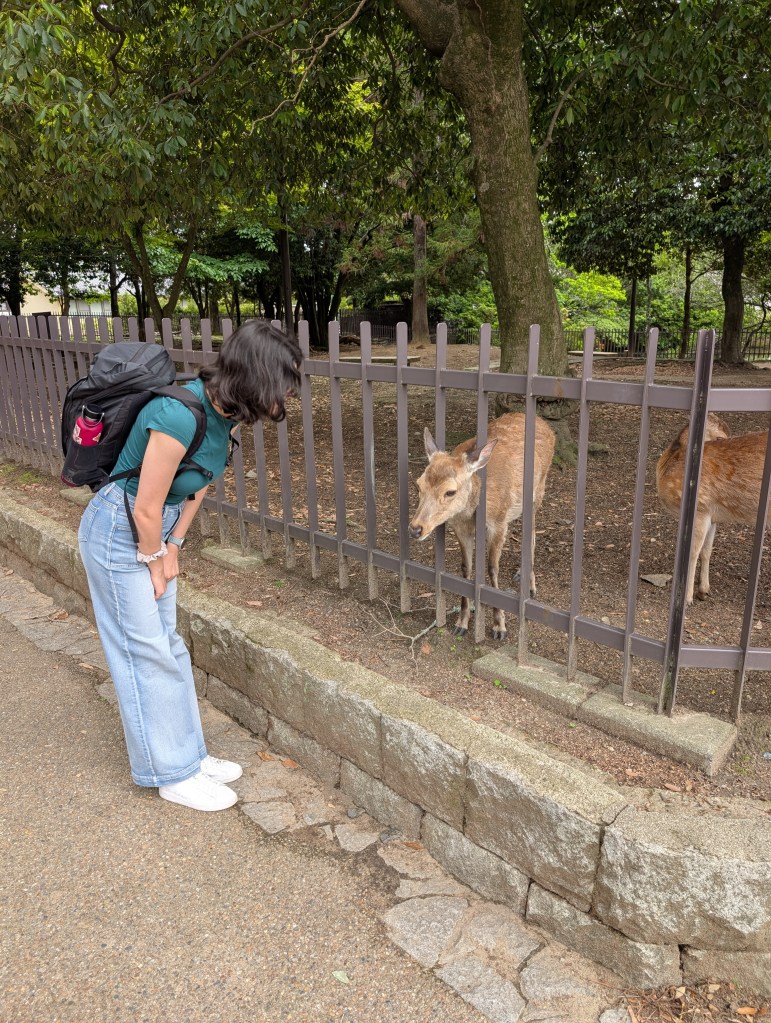
You can buy a packet of 10 crackers for ¥200 (~$1.35) almost anywhere in the park. A portion of the money goes towards protecting the deer. The crackers are made from wheat flour and rice bran, making it easy for them to digest. And, if you’re concerned that they’re too reliant on humans to eat, according to the Nara City Tourism Association, they don’t just rely on the crackers humans feed them—they mainly eat grass, leaves, and other natural plants around the area.

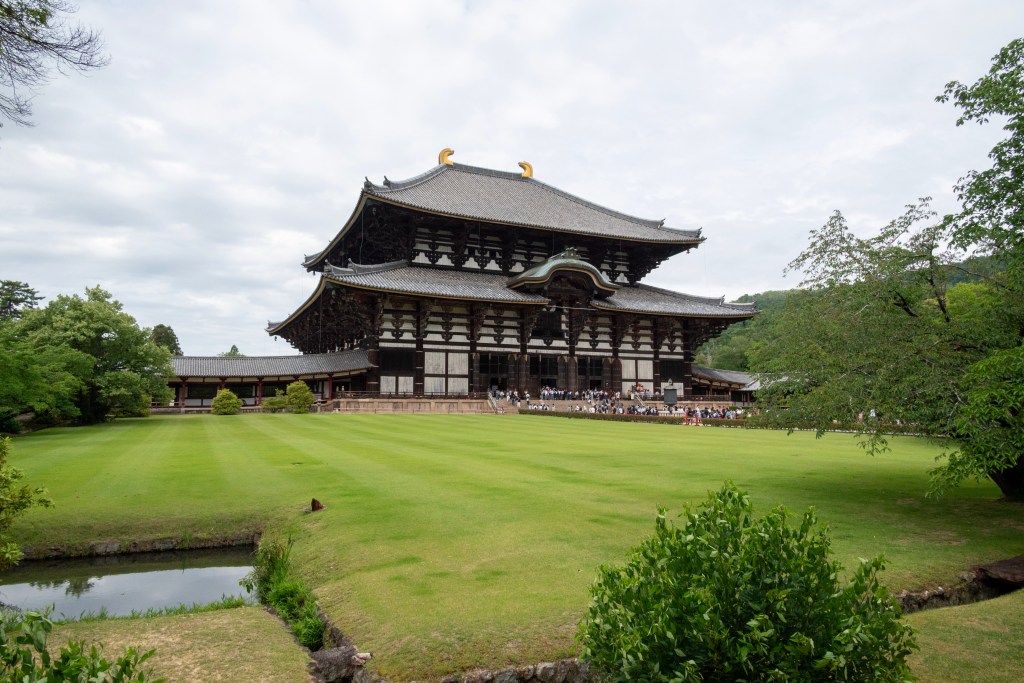
The temple here, Todai-Ji is also stunning to visit. It costs ¥800 (~$5.50) to enter, and it’s well known for having one of the largest bronze Buddha statues in Japan, standing at 15 meters tall.
After an hour train from Kyoto Station to Nara Station, we spent about 3.5 hours total in the city, which was enough to interact with dozens of deer, explore Todai-ji, and walk around the nearby shopping street, Higashimuki. I would set aside more time if you plan to check out the popular mochi shop, Nakatanidou, and tour the museum. Overall, Nara Park provides such a unique experience and is well worth a visit.
Not Worth It: Arashiyama Bamboo Grove

The Arashiyama Bamboo Grove is definitely one of those places in Japan you need to get up early for to enjoy it without throngs of people. After a 30–40-minute bus ride from downtown Kyoto, we arrived at the forest around 7am and there was already a significant crowd there. Though, we did manage to capture a few decent photos without people in the background.
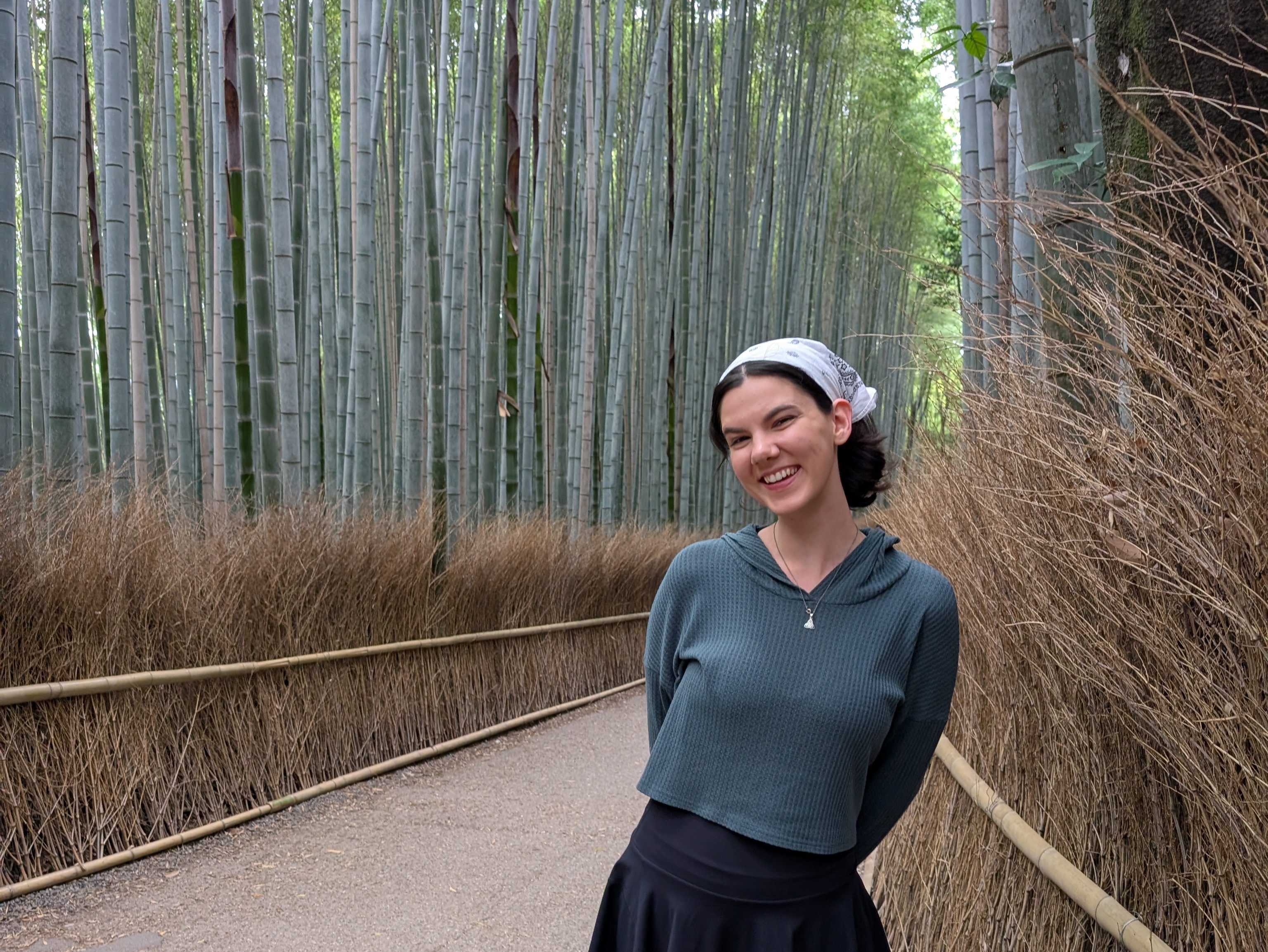
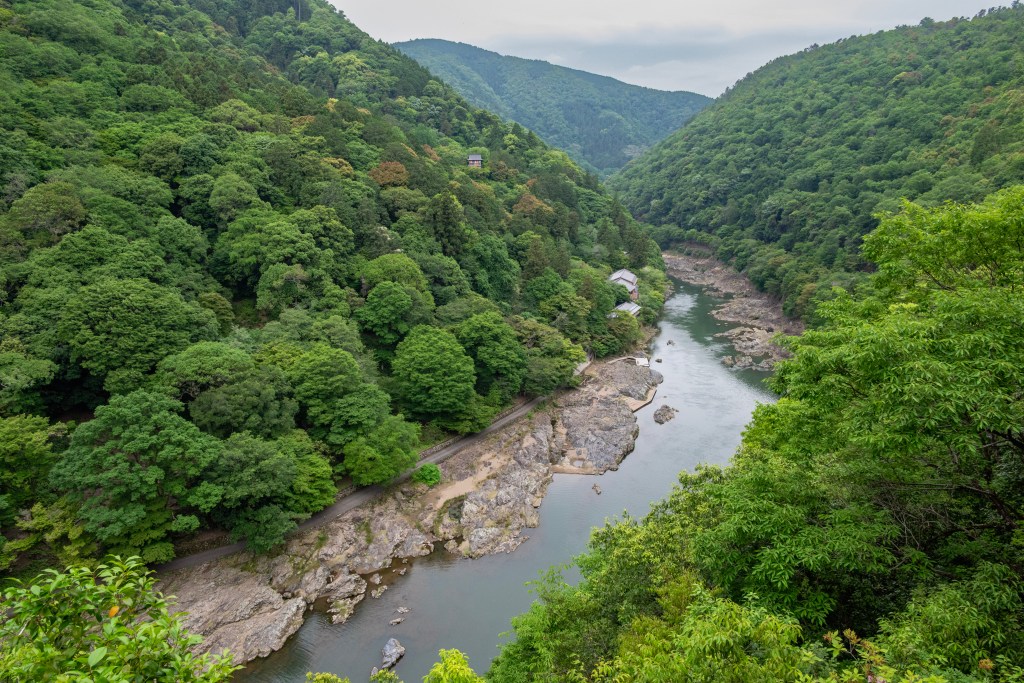
The bamboo-lined road is free to enter and relatively short, so we didn’t spend more than 20 minutes here. You do get some stunning views over a valley if you continue along the paths around Arashiyama Park, however I honestly wouldn’t visit the Arashiyama forest if the it’s the only place you plan to see in the area (I’ve heard there are other bamboo forests in Kyoto that are much quieter). Arashiyama itself is filled with lots of shops, restaurants, and other notable sites like Tenryū-ji, which I recommend you check out.
Though, the forest is worth a visit early in the morning if you pair it with:
Worth It: Arashiyama Monkey Park Iwatayama
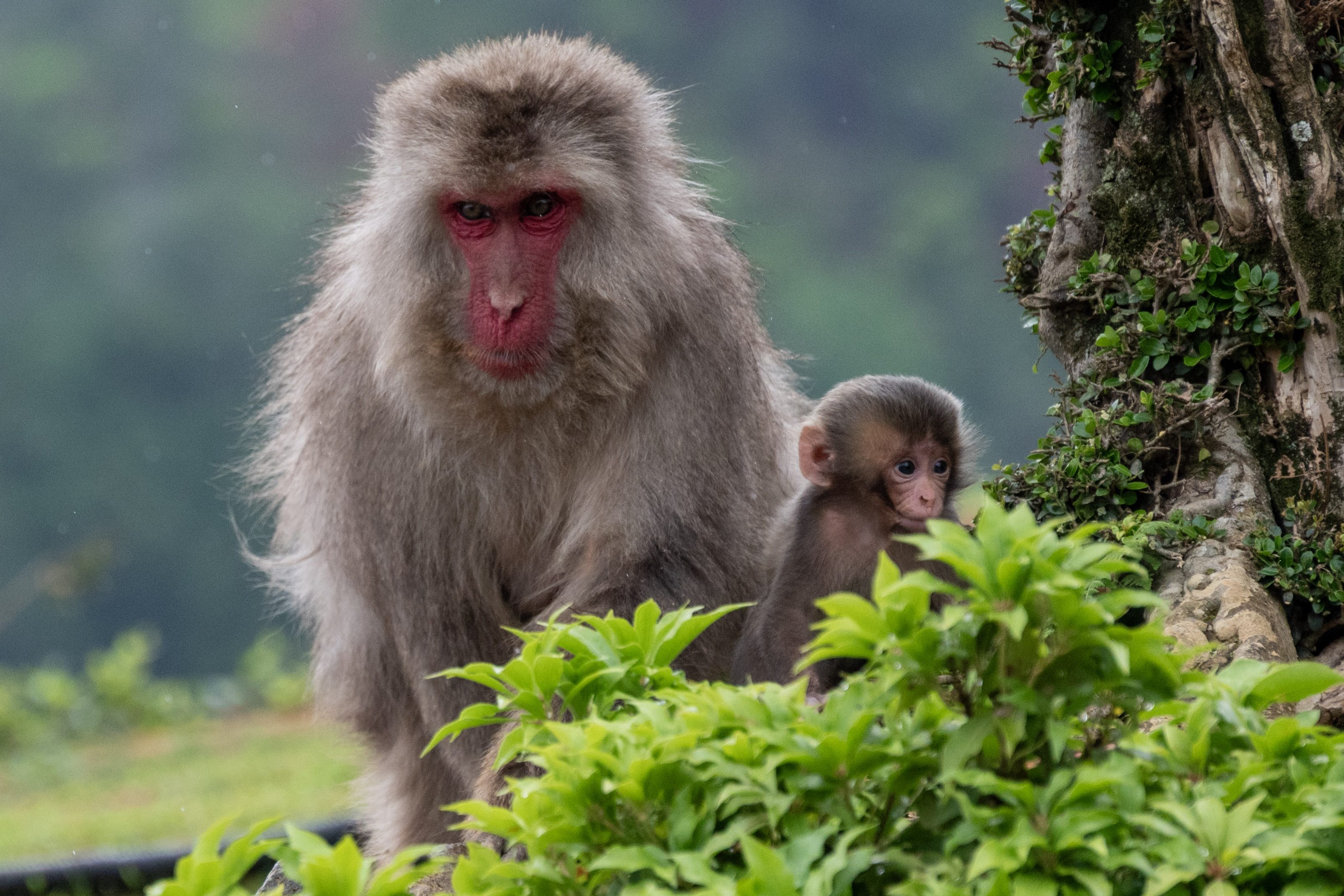
Can you tell I love (ethical) animal encounters? Being able to get up close to these monkeys without a fence or glass barrier caging them in was an incredible experience.
Side note: Some may argue that “ethical” entails letting animals be wild with no human interaction whatsoever, but at this point this has been their way of life for decades, and places like Nara Park and the monkey park help provide protection for these animals instead of forcing them to move away from their homes.
Arashiyama Monkey Park is open every day at 9am with the last entrance at 4pm, though it’s sometimes closed for holidays and bad weather, so be sure to check online before you visit. We arrived around 10:30am and spent an hour total here.
The entrance to the park is a 15-minute walk from the bamboo forest. To get to the park proper, entry costs ¥550 and you have to hike about one mile up to the top of Mount Arashiyama. The hike took us about 20 minutes, but we’re fast walkers so plan for a 20-30 minute upward hike.
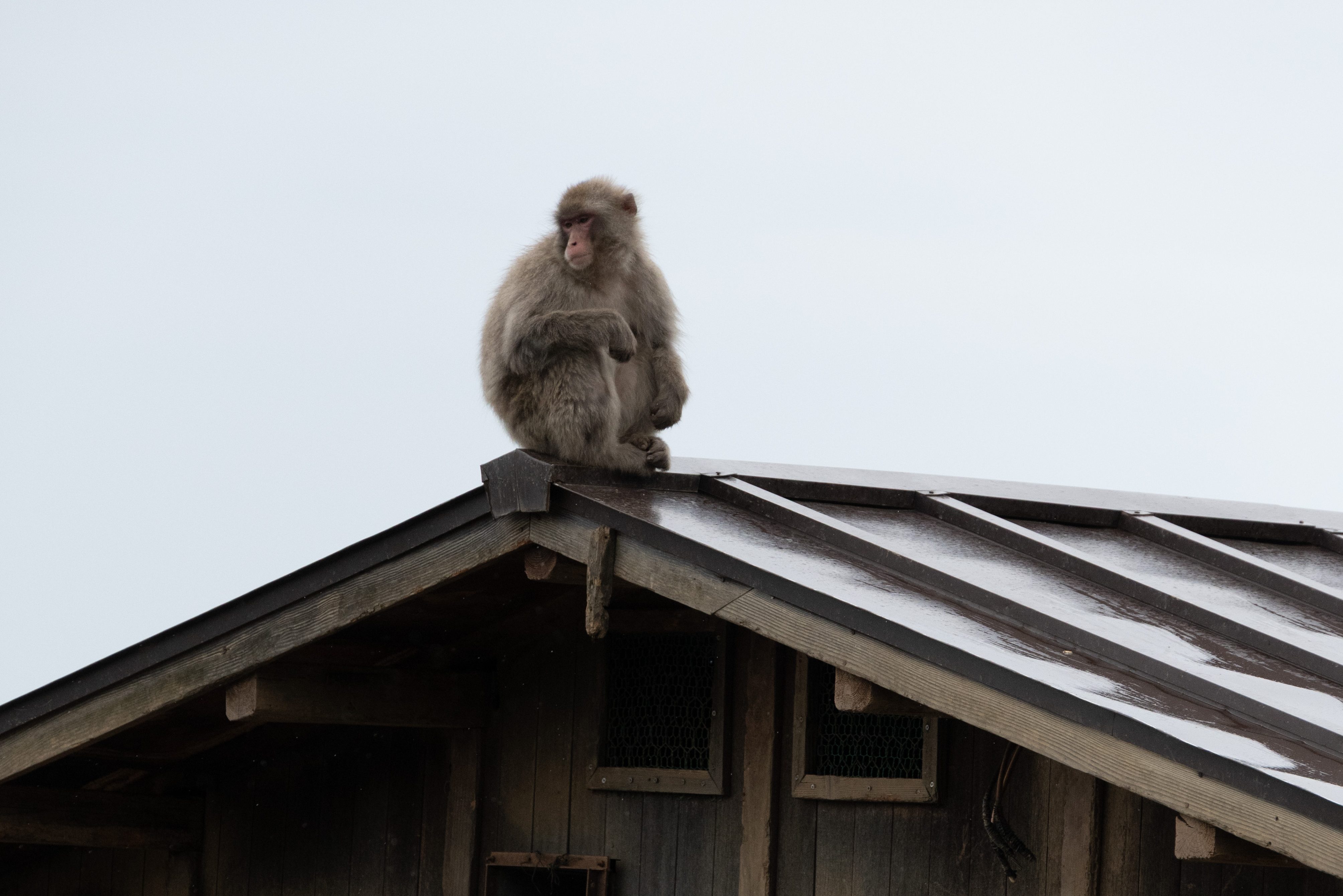
The park is home to around 120 wild Japanese macaque monkeys, or snow monkeys. They weigh about 20-25 pounds and are under 2 feet tall, so they’re rather small. They’re not aggressive and are very used to being around humans. And yes, like the deer, they are wild! The un-fenced 1.5-acre park was established in 1957, and many monkeys stayed in the area because they built trust with humans and liked being fed. Honestly, I’d stay too for free food. You can even feed them yourself from inside a small building for ¥100 (~$0.70) per bag of food.
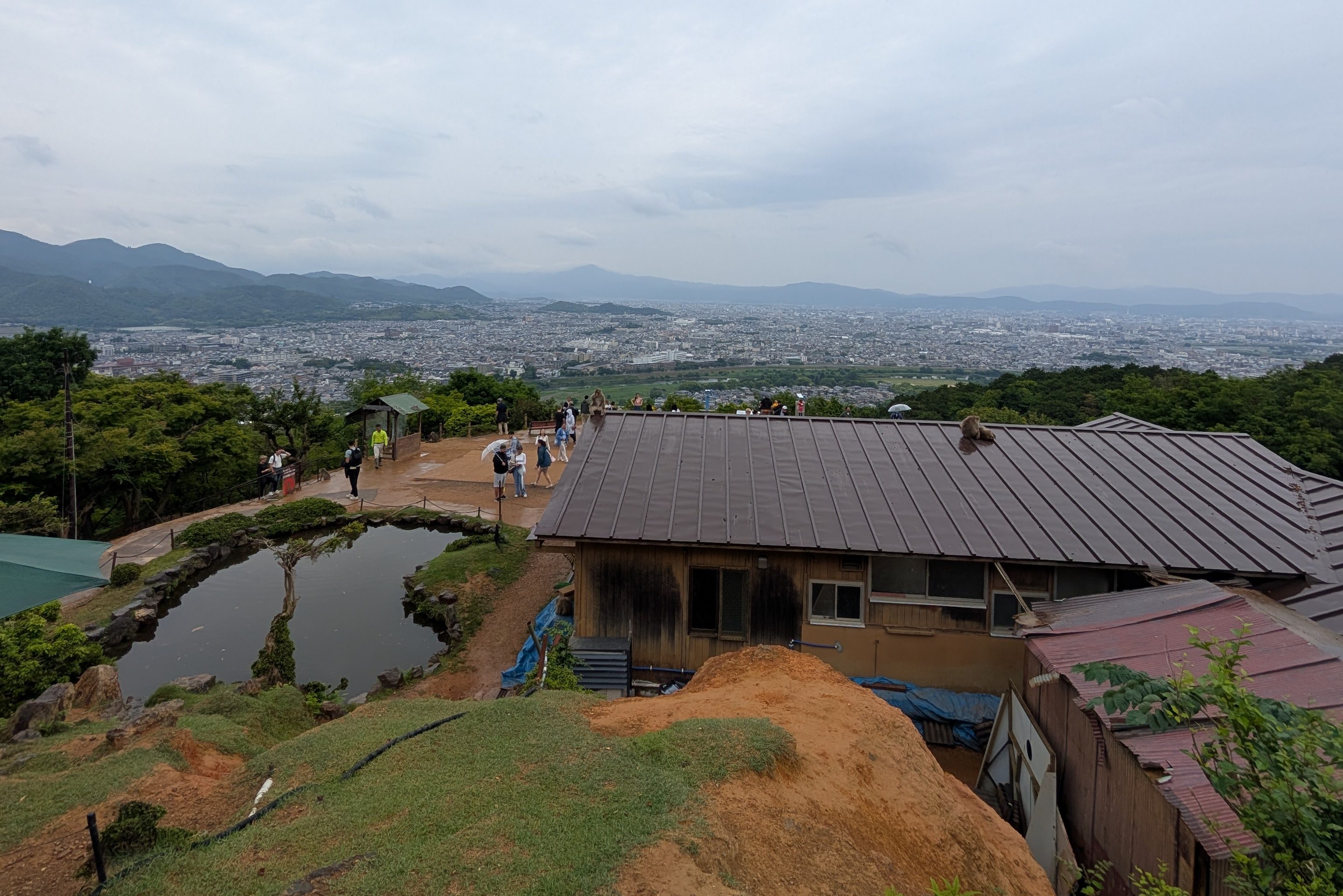
When you get to the top, there are monkeys roaming and lounging everywhere. They aren’t shy about getting close to you, but you’re not allowed to touch them. You also get stunning panoramic views over Kyoto and fun photo ops with a giant banana. If you’re lucky, you might even see some baby monkeys!
Japan is filled with hundreds of extraordinary temples, parks, districts, unique experiences, and more. With limited time to explore, you might find that some sites are more worth your time to visit than others. Of course, I am only speaking from my personal experience after visiting these places once, but hopefully this helps provide an idea of what to expect at some of the most popular sites in Japan. Happy travelling!
 Happy Lil’ Traveller
Leave a comment