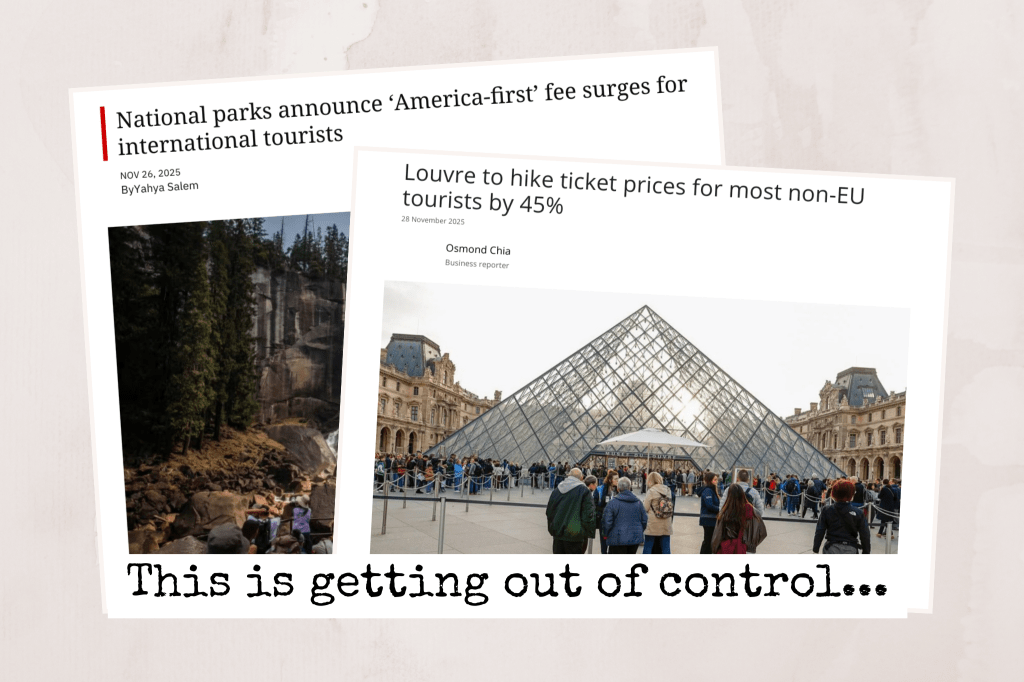
According to UN Tourism, “An estimated 1.52 billion international tourists were recorded around the world in 2025, almost 60 million more than in 2024.” With these increased numbers and worldwide rising costs, governments and entities are seizing the opportunity to charge international visitors extra fees and inflated tourist taxes. Now, I’m not entirely opposed to paying a little more because I’m a visitor, but I’m curious what the fees are meant to accomplish. For some places, the upcharges were implemented in an attempt to quell overtourism, and for others the explanations are a little more vague. Some fees are minimal, while others are rather steep.
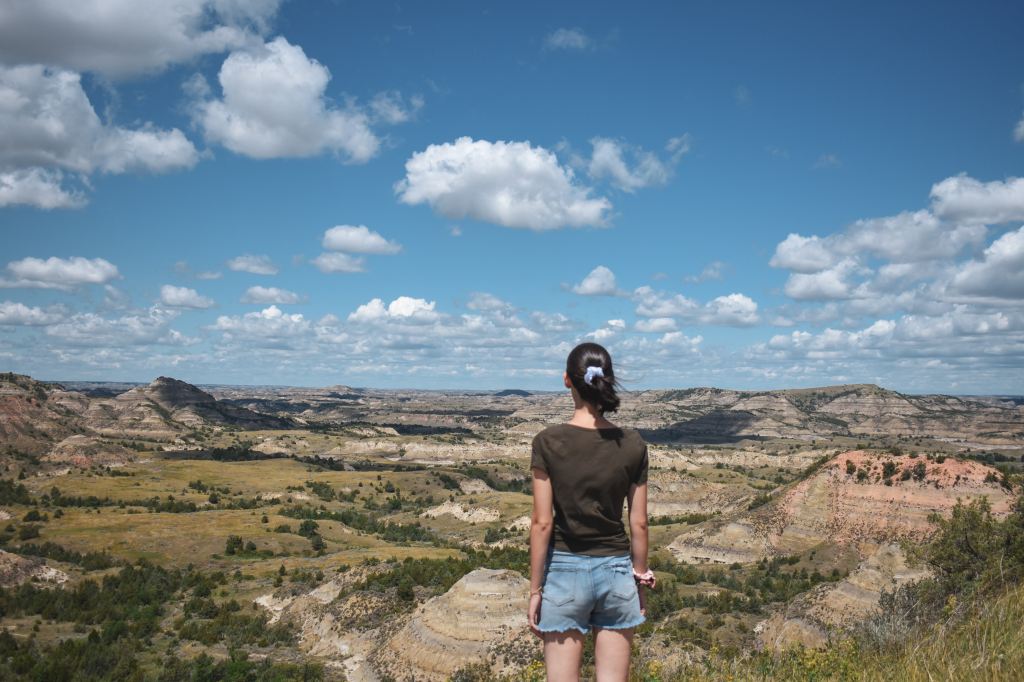
For instance, in November 2025, the US Department of the Interior (DOI)—which was established to protect America’s natural environments and manage public lands—announced a significant price hike for entrance to national parks for nonresidents. An annual national park pass for all visitors last year cost a reasonable $80. As of January 1, 2026 that price has remained the same for US residents, but nonresidents now have to pay more than triple that at $250. Nonresidents without an annual pass will have to pay $100 per person to enter 11 of the most popular parks, not including the standard entrance fee (see list below). Meanwhile, US residents only pay up to $20 per person, not including vehicle fees:
| National Park | U.S. Resident Fee | Non-Resident Fee |
|---|---|---|
| Acadia | $20 | $100 |
| Bryce Canyon | $20 | $100 |
| Everglades | $20 | $100 |
| Glacier National Park | $20 | $100 |
| Grand Canyon | $20 | $100 |
| Grand Teton | $20 | $100 |
| Rocky Mountain | $15 | $100 |
| Sequoia & Kings Canyon | $20 | $100 |
| Yellowstone | $20 | $100 |
| Yosemite | $20 | $100 |
| Zion | $20 | $100 |
Apparently, according to Interior Secretary Doug Burgum, “These policies ensure that US taxpayers, who already support the National Park System, continue to enjoy affordable access, while international visitors contribute their fair share to maintaining and improving our parks for future generations.”
Given the threats to cut $1 billion in funding from the national parks system in 2025, this reasoning feels… insincere. Instead, the intent of the price hikes seems to be targeting foreign tourists and taking advantage of people’s willingness to pay exorbitant amounts while on vacation. But how many international visitors will actually be able to afford these new prices? It’s hard to say, especially because there isn’t any data on how this new pricing system has impacted tourism to national parks yet, so we’ll have to wait and see how this plays out this year.
The US is far from the only culprit targeting tourists. Japan was making headlines last year for introducing dual pricing at popular sites, letting residents pay the standard price and charging foreigners about $5-10 USD more to enter.
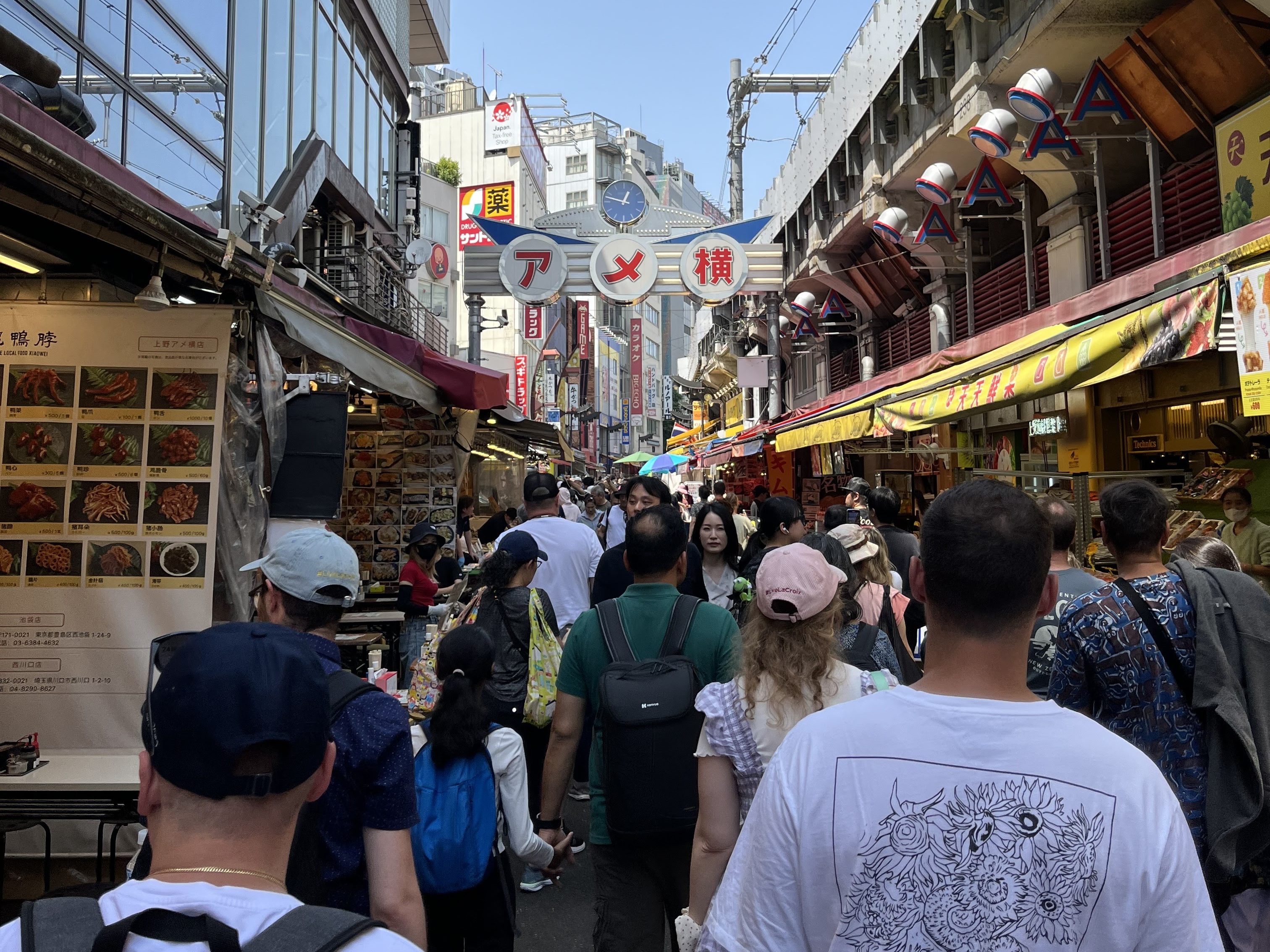
The dual pricing system came after Japan saw record-breaking tourist numbers the past few years. Tourism to Japan was already on the rise pre-pandemic, but in 2025 the country set a new record with nearly 42.7 million visitors, up about 6 million visitors from 2024. This amount has already proven to be overwhelming for Japan’s current infrastructure, but the country is prepping to accommodate 60 million international visitors by 2030.
The concept of dual pricing isn’t entirely new. Many museums tend to offer a discounted rate for local residents. As someone living in Chicago, my mind immediately goes to institutions like the Art Institute and the Field Museum, which take off about $10 for Chicago residents and even offer select free days for Illinois residents. But, where do we draw the line on dual pricing? When is it too much?
Notably, restaurants in Japan have also been implementing slightly higher prices (roughly 10%) for non-residents. This has been a highly debated topic, but the argument for these taxes is that since people are already spending thousands of dollars to travel to Japan, they can definitely pay a little extra money to help offset rising costs. However, this tactic would be illegal in other countries, and foreign residents worry they will be targeted as tourists.
There are many underlying issues with this situation, but on the surface these tourist prices don’t seem incredibly unfair. The yen is still weaker in comparison to the currencies of some of Japan’s top visiting countries (the US and China being a couple of the biggest contributors), and the median salary for Japan’s workforce sits around 4 million yen or $25-30,000 USD, while in the US it’s roughly $60,000. Personally—while I don’t make anywhere near the US median salary—I’m okay paying an extra few dollars for a meal or to visit a site in a country I’m visiting. However, if prices shot up hundreds of dollars like they did for the US’s national park system, I would reconsider a visit.
Europe is definitely not immune either. Take the Louvre, one of the most popular art museums in the world, for example: entry prices rose 45% for non-EU visitors as of January 14, 2026. Non-EU adults pay 32 euro, or $37, while residents of the European Economic Area (EEA) pay 22 euro, 10 less (the EEA includes all EU residents in addition to Iceland, Liechtenstein and Norway). Again, dual pricing for museums is not new, but this sudden change has caused a small stir. According to BBC News, the price increase is “expected to raise between €15m and €20m each year to support the museum’s modernisation plans…” to add more restrooms and restaurants and improve overall infrastructure.
With around 9 million annual visitors to this 232-year-old museum, its leaders have been struggling to keep up with increasing tourism demands, especially for famous works like the Mona Lisa. And, of course, I can’t forget to mention the lack of security measures in an institution that holds some of the most priceless artwork in the world. So, implementing these higher charges is an excellent idea if it means better facilities and an overall improved experience for visitors. However, BBC also noted that after the heist, it was “found the museum had spent significantly more on buying new artworks, but far less on maintenance and restoration.” So, we’ll see if the increased prices will really be used to address the building’s problems, or if they will be used to exploit foreign visitors, acquire more famous art, and make a bigger profit.
Venice has also been struggling to combat overtourism. In April 2024, the city began charging an entry fee for day-visitors on 29 specific days between April and July, including weekends and public holidays. Visitors who booked ahead paid €5, and those that booked less than four days in advance paid €10. The city’s mayor, Luigi Brugnaro, noted the objective of the entry fee was to “discourage” people from visiting on peak tourism days. The thing is, €5 or €10 isn’t going to deter tourists from visiting when they want. That amounts to the cost of a pastry or two.
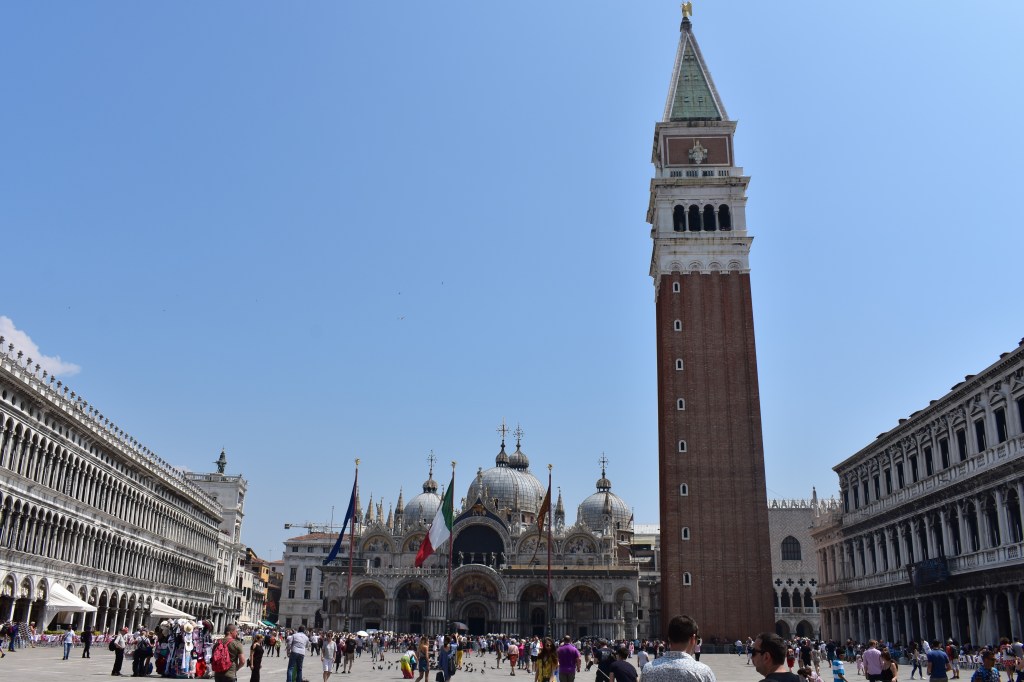
But, perhaps you might be thinking that this extra fee helped finance infrastructure improvements for the city. At least, that’s what I first assumed. After the first run of this system in 2024, the entrance fees generated €2.4 million. However, the ticket booking platform and campaign cost around €3 million, so the test reportedly did not even break even. According to BBC, the “Venice opposition councillor Giovanni Andrea Martini said that the entrance system was a ‘failure’ as it had not helped spread out the flow of tourists that visit Venice.” Yet, the city ran the system again in 2025 and doubled the fee days to 54 days without increasing the price. In 2026, an entrance fee will be required on 60 days.
Frankly, this doesn’t solve the problem of congestion and overtourism. I feel like they’d have to increase the fee to at least €50, maybe €100 for people to even consider choosing a different day to visit. Though, at the end of the day, people with the financial means won’t let price increases stop them.
People are willing to pay more and more, which could create an entirely new problem of making tourism less accessible for the general public. Travel was already expensive, but increased prices can create more disparity.
Unrelated to travel, but when Netflix implemented its attempt to eliminate password sharing in May 2023, many thought subscribers would rebel and Netflix would lose a significant amount of subscribers. Instead, many caved and Netflix gained 22 million new subscriptions in the second part of 2023, upping the company’s net income by $1 billion from 2023 to 2024.
This is one of many examples of how people are easily willing to fork over more and more money. What’s $15 more a month to keep streaming your favorite shows? What’s $5 more to visit Venice on the day people want to go? Minimally increased prices are not likely to curb tourism if that is the goal.
Residents of Barcelona have experienced severe effects from overtourism since at least the mid-2010s, and the past couple years tensions have come to a head. If you follow travel news, you likely heard about tourists in Barcelona being drenched by locals with water guns in response to unaffordable housing and overcrowding.
More than 15 million people visited the city in 2025, which doesn’t sound like a lot compared to other major cities like Chicago which saw more than 55 million people last year. (I’m just going to keep using Chicago as an example because, as a tour guide, I’m very familiar with the city and its tourism.) However, the key factor here is the amount of space Barcelona has. Chicago has about 2.7 million people living in its 235 square miles, while Barcelona is only about 40 square miles and holds 1.7 million residents. Chicago is nearly six times the size of Barcelona but has only 1 million more people. Not to mention, Chicago has built upwards, providing more space for people to live. Short-term rentals through sites like Airbnb have taken over a significant portion of the housing available, pushing out residents and raising long-term rental costs by 68% throughout the past ten years.
This has prompted the government to more than double the tourist tax on overnight stays at hotels and apartment rentals, increasing from about $7 to upwards of $17, 25% of which “will help address the city’s housing crisis” according to a new law. Though, according to Reuters, “Hotel owners are concerned the tax rise could drive away too many of the around 15.8 million tourists who visit Barcelona each year.”
Maybe that should be the goal, to make travel so expensive that only the wealthy can visit, cutting down on the amount of people but maintaining profits with increased prices and wealthier spenders. I don’t agree with that idea because I myself am not wealthy and I believe travel should be accessible, but that’s a tangent for another time. Another can of worms that I don’t want to get into right now is new and increased visa fees for international visitors. Basically, everything has been getting more expensive since the conception of money, and things will continue to become more expensive as governments and entities find more ways to squeeze every last penny out of consumers.
In the end, what is the true purpose of these increased tourist prices? Are they really meant to benefit the local communities, or are governments and institutions using these as tactics to turn a bigger profit? Of course, the circumstances vary from place to place, and I do believe some price increases will make a positive impact. If the money is used well, it could provide significant benefits to both residents and tourists. As more and more places target tourist spending, only time will tell if the initiatives work as advertised.
 Happy Lil’ Traveller
Leave a comment