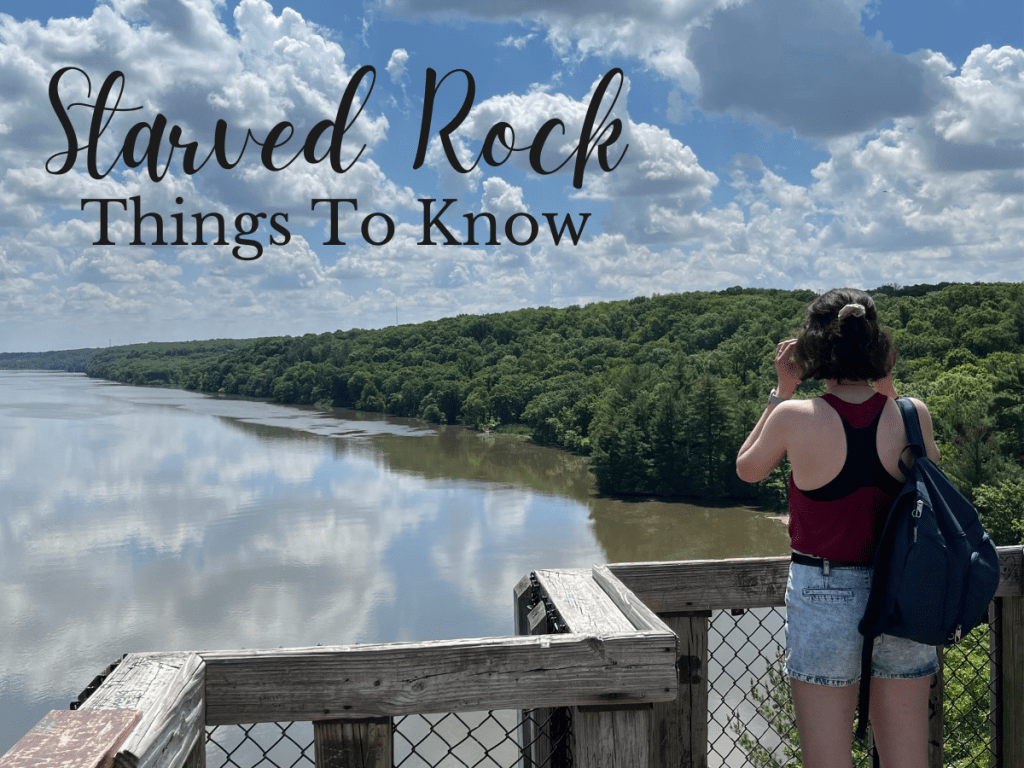
Less than a two-hour drive from Chicago, Starved Rock State Park is the perfect day or weekend escape from the city. This natural area beside the Illinois River is filled with waterfalls and canyons and about 13 miles of hiking trails, making it a refreshing retreat to spend anywhere from a couple hours to a full day in. Here are some things to know before visiting:
Where to Stay
North Utica
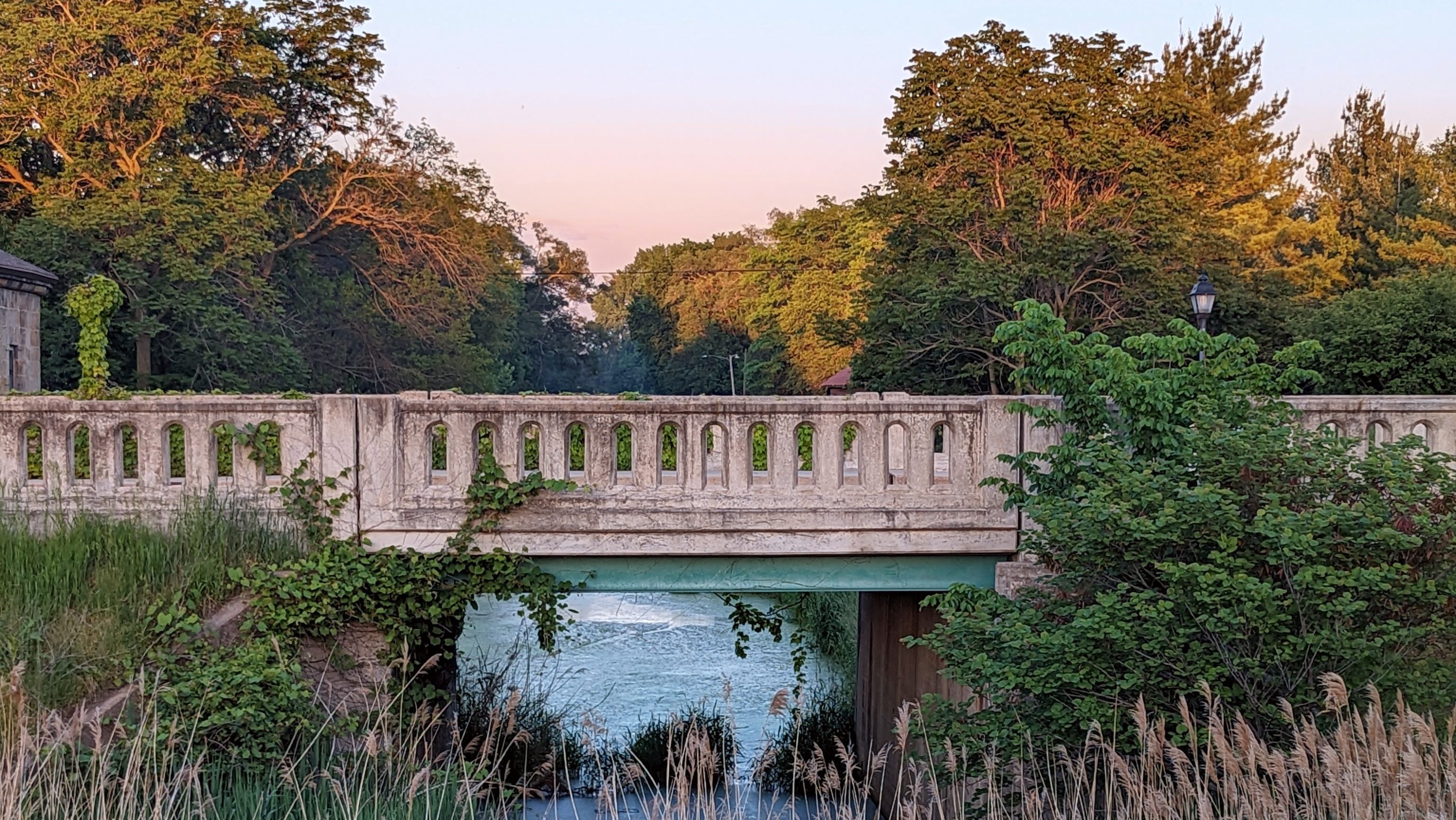
North Utica is a small village (<1,400 people) less than two miles away from Starved Rock, making it an incredibly convenient and quiet place to stay for a small weekend trip. This is where I stayed, and while there’s not a whole lot to do there outside of visiting the tiny downtown shops, restaurants, and the winery, it’s only about a 10-minute drive away from a few other small towns if you’re looking for more places to explore. Otherwise, it was the perfect place to relax for a few days.
North Utica is also located along the historic Illinois and Michigan Canal, which used to be an essential waterway connecting the Chicago River to the Mississippi from 1848 until the 1930s. Now, it’s a natural, unused area. Though, there’s a 61.5-mile trail running alongside the old canal, which cuts right through North Utica. If you want to walk more after your trek in Starved Rock, this trail provides you with a great opportunity to do so (though, you probably won’t want to walk the entire 61 miles).
Ottawa
If you want to stay somewhere that has a little more activity, Ottawa is only about 10 miles from Starved Rock. While not as close to the park as North Utica, Ottawa has more shops and restaurants, a movie theatre, grocery store, and more things to see/do in general. It’s also located right beside the Illinois River where you can sit and watch big ships and barges pass by.
Starved Rock Lodge
If you’re looking for something a little more rustic and right by the park, the Starved Rock Lodge has cozy hotel rooms and log cabins to stay in. From your accommodation, you can walk directly to the park without having to drive. The lodge also provides guided hikes, trolley tours, and hosts other special events with live performers and comedians.
Day trip from Chicago

Or, if you only want to spend a few hours at Starved Rock, you can easily drive there and back from Chicago within a day. The journey is less than 100 miles, and depending on traffic the drive only takes about 1.5-2 hours.
When to Visit
Starved Rock State Park is open year-round, and the trails are open from 7 a.m. until sunset every day. So, you can visit any time of the year (with the exception of closures due to weather). Though, the most popular time is certainly during the summer and late spring. That being said, it gets incredibly busy during the summer and trails can get very congested, especially if you visit between noon and 4 p.m.
I visited on a Saturday a week before Memorial Day from about 10:30 a.m. until 2 p.m., and it was very busy, especially with lots of families and younger children. If you want to avoid crowds and the intense summer heat during the busier months, I’d recommend starting your visit earlier in the morning around 8 or 9 a.m. Otherwise, visiting in the early spring or fall might be a better option.
There’s also a visitor center with bathrooms, a gift shop, and some food that is open daily from 9 a.m. to 4 p.m. (except on federal holidays).
What to Bring

As mentioned, it can get very hot and humid during the summer, so always look ahead at the weather forecast and plan your attire accordingly. That being said, some trails can get very muddy in the spring and after heavy rains, so bring good waterproof hiking shoes that you’re not afraid to get dirty (I saw someone trying to avoid the mud while wearing brand new, bright white shoes).
There are water fountains at the visitor center, but there are no water refill stations along the path, so bring a water bottle or two as well as some snacks. There are a few benches throughout the park where you can stop and have a quick bite.
Other general common-sense (but important!) things to have on hand include bug spray (so you can avoid paying $15+ for a small bottle at the visitor center), sunscreen, sunglasses, a hat, and a portable phone charger.
Navigation
Starved Rock is incredibly easy to navigate. There are no paper maps available, however you can find a digital map on the Starved Rock website to print or have on your phone here, and you will find a map of the trails at every intersection you encounter in the park.

There are three main trails: red, green, and brown. The red trail follows the Illinois River and takes you to various outlooks you can climb stairs up to, including the actual Starved Rock and Lover’s Leap. The brown line is the bluff trail and the green marks the canyon trails, which take you through and over the canyons. These trails are a little more arduous because the terrain is a bit more uneven and hilly compared to the river trail.
In general, the terrain throughout the park ranges from a level boardwalk to muddy paths, hills, trees you have to climb over, and small streams. There are also quite a few stairs. So, plan ahead! (Especially if you have small kids. I saw a family painstakingly carrying a stroller up and down the stairs in the middle of the park.)
Sites to Visit
Starved Rock

I’d recommend starting your trek at the place the park is named after: the Starved Rock. This site is close to the visitor center, however it does require a bit of stair climbing to reach.
There are a few signs that describe why Starved Rock is named as such, but here’s a brief overview:
The story goes that there was an Odawa war chief named Pontiac who had been killed by a member of the Illinois Tribe, and the Odawa attacked the Illinois in retaliation near Starved Rock. The Illinois fled and took refuge at the top of the bluff, however they were surrounded by the Odawa and were unable to get down to get food or water and thus starved. However, that is just legend and there is evidence suggesting that didn’t actually happen, but it’s an interesting story nonetheless.
From the top of Starved Rock you get incredible views of the Illinois River above the treetops.
Lover’s Leap
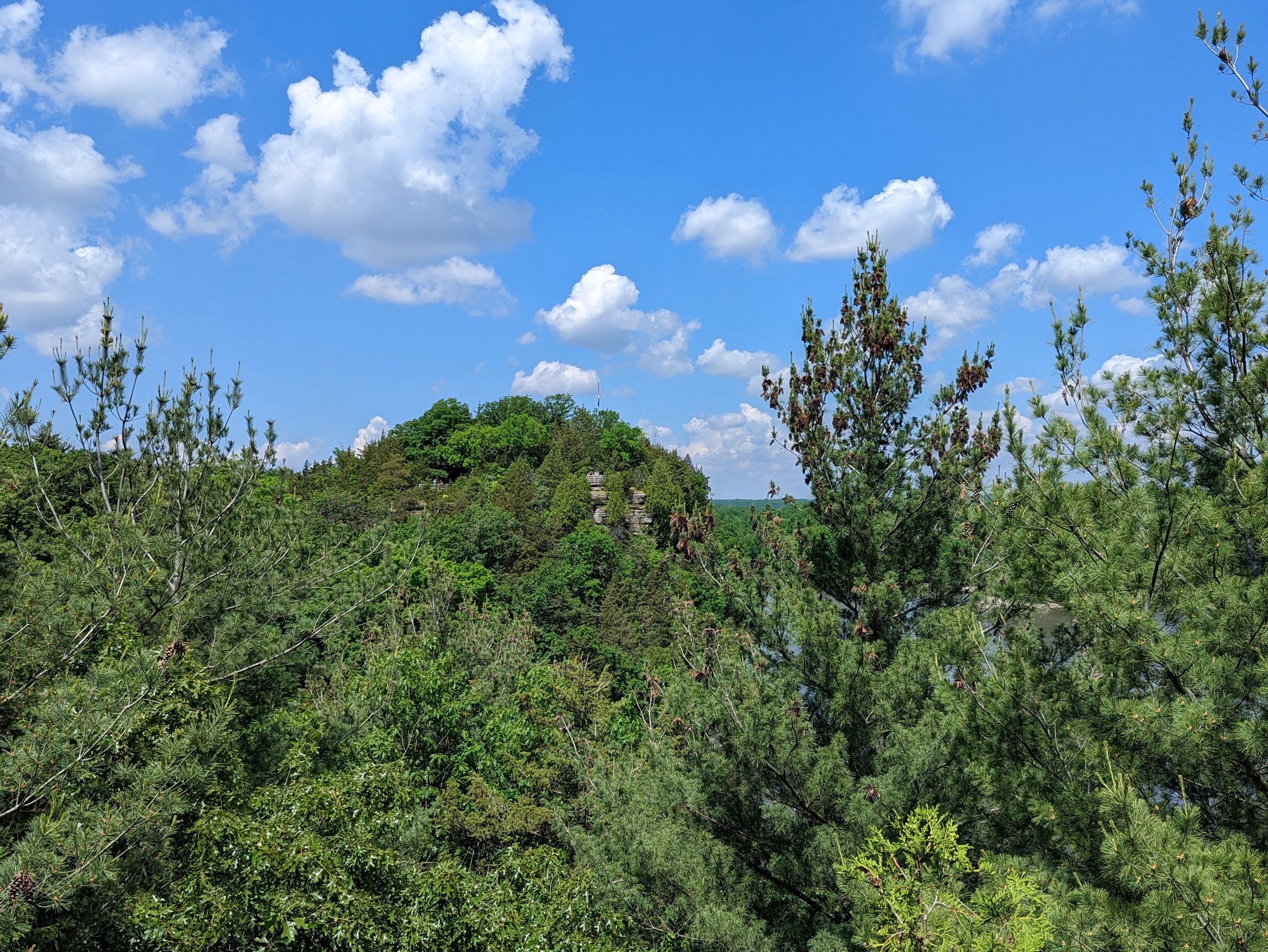
Similar to Starved Rock, Lover’s Leap is another great viewpoint of the Illinois River from the top of a bluff. However, something unique here is that you can see Starved Rock in the distance.
Eagle Cliff Overlook

This was my personal favorite view out of the bluff viewpoints. Here you get a great unobstructed view of the expansive Illinois River and the barges that are sailing in it.
French Canyon

French Canyon is relatively small compared to the other canyons in the park, however it’s still beautiful—and it’s the closest waterfall to the visitor center. Though, the “waterfall” was just a trickle when I visited in late spring (as were most of the waterfalls in the park), but there was a steady stream of water that flowed from the falls onto the narrow path leading in that made it a little treacherous to get too. It’s not dangerous by any means, but I did witness a parent slipping and falling with a kid in their arms. Again, wear good shoes!

Wildcat Canyon

I didn’t see this canyon from the ground, but this one is really neat to view from the bluff trail because of how tall this canyon is. The views from above are a little sweaty-palm-inducing, but you can observe everyone taking in the canyon below.
LaSalle Canyon
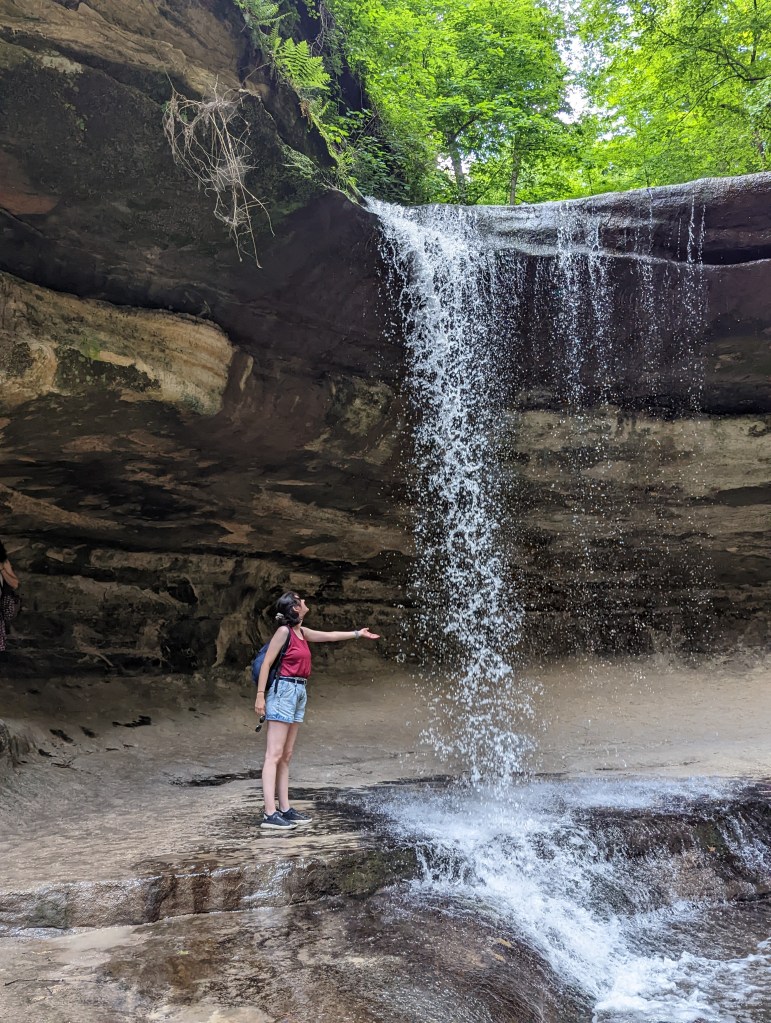
Out of the canyons I was able to see, this was my favorite. This was the farthest away from the visitor center that we ventured (which was only a little over two miles), and it was the perfect place to rest and eat a snack before trekking back towards the parking lot.
LaSalle Canyon has a short waterfall that you can stand under and take fun photos, and it’s the only waterfall that’s likely to be running all year long, even in mid-summer when the weather is drier.
Starved Rock State Park is such a wonderful natural retreat in the middle of Illinois. I’d never pictured Illinois as being very scenic, but Starved Rock proved me wrong—there are some beautiful gems in the state if you take the opportunity to venture and explore outside of Chicago.


 Happy Lil’ Traveller
Leave a reply to Tom Cancel reply